Ayurvedic Eye Care for Dry Eyes & Digital Eye Strain in Abu Dhabi
Akshi Tarpanam and screen habit guidance for tired and dry eyes.
Book Your Consultation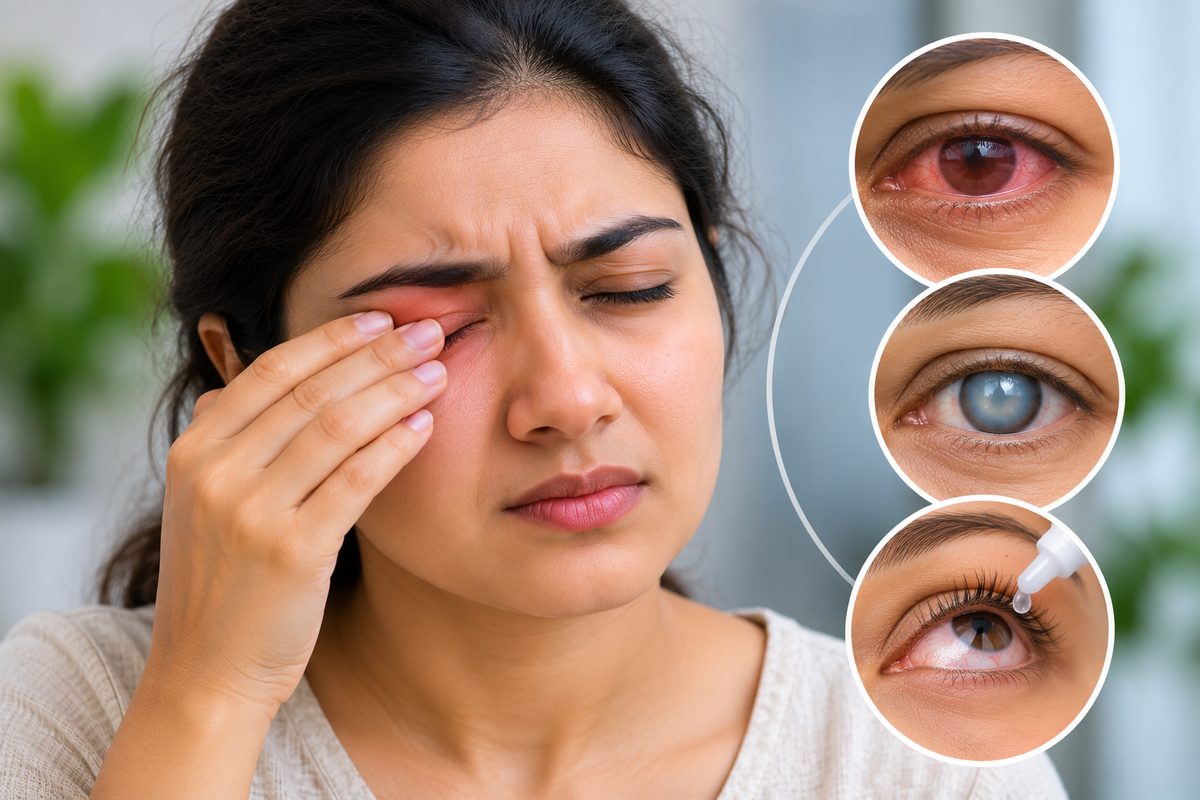
Do your eyes feel dry, tired, irritated or uncomfortable after long hours of computer and mobile phone use? Modern lifestyles, air-conditioned environments, prolonged screen exposure and reduced blinking can contribute to eye discomfort and visual fatigue.
At Vayra Ayurvedic Medical Center in Abu Dhabi, we offer traditional Ayurvedic wellness therapies for individuals interested in complementary eye-care practices. Depending on individual assessment, these may include Akshi Tarpanam, Shiro Abhyanga and guidance on healthy screen habits.
If you are searching for Ayurvedic eye treatment in Abu Dhabi, our practitioners can explain traditional eye-care practices and whether they may be suitable alongside advice from your optometrist or ophthalmologist.
Eye discomfort can have several causes, including dry eye disease, allergies, infections and other eye conditions. A proper eye examination is important before considering any complementary therapy. Ayurvedic procedures should not replace ophthalmological diagnosis, prescribed eye drops or evidence-based eye treatment.
Understanding Common Eye Conditions
Eye discomfort can occur for different reasons. Some conditions are temporary, while others require professional diagnosis and ongoing management.
1. Dry Eye Disease
Dry eye disease occurs when the eyes do not produce enough tears or when the tears do not function properly to keep the eye surface comfortable and protected.
Common symptoms include:
- Burning or stinging sensations.
- Gritty or sandy feeling in the eyes.
- Redness and irritation.
- Blurred or fluctuating vision.
- Sensitivity to light.
- Excessive watering in some cases.
- Eye discomfort that becomes worse later in the day.
Dry eye can be associated with age, certain medications, environmental conditions, eyelid problems and other medical conditions.
Persistent dry-eye symptoms should be assessed by an eye-care professional.
2. Digital Eye Strain
Digital eye strain refers to eye discomfort associated with prolonged use of computers, smartphones, tablets and other digital devices.
People may experience:
- Tired or heavy eyes.
- Temporary blurred vision.
- Headaches after screen use.
- Dryness or irritation.
- Difficulty focusing.
- Neck and shoulder discomfort.
When concentrating on a screen, people may blink less frequently. This can contribute to tear-film problems and eye discomfort.
3. Eye Fatigue
Eye fatigue can develop after prolonged reading, close-up work or extended screen exposure.
Symptoms may include tired eyes, difficulty maintaining focus and discomfort around the eyes. Persistent symptoms should be evaluated to rule out vision problems or other underlying conditions.
4. Allergic Eye Irritation
Eye allergies can cause itching, watering, redness and swelling. Common triggers include pollen, dust, pet dander and other allergens.
Avoid rubbing irritated eyes. Persistent or severe symptoms should be assessed by an eye-care professional to distinguish allergies from infection or other conditions.
5. Red and Irritated Eyes
Redness may result from dryness, allergies, infection, contact lens problems or inflammation.
Not all red eyes are harmless. Eye pain, light sensitivity, discharge or changes in vision require professional evaluation.
Common Causes of Dry Eyes and Eye Strain
Several lifestyle and environmental factors may contribute to eye discomfort.
1. Prolonged Screen Exposure
Spending long periods looking at computers and mobile devices may reduce blinking and contribute to dry or tired eyes.
2. Air Conditioning
Air-conditioned environments can have low humidity and moving air, which may increase tear evaporation and eye dryness.
3. Dust and Environmental Irritants
Dust, smoke, wind and other irritants may affect the surface of the eyes and cause discomfort.
4. Inadequate Sleep
Insufficient sleep may contribute to tired eyes and general visual discomfort. Persistent sleep problems should also be assessed separately.
5. Contact Lens Use
Some contact lens users experience dryness or irritation, particularly when lenses are worn for long periods or are not used and maintained according to professional guidance.
6. Certain Medicines and Medical Conditions
Some medications and health conditions may contribute to dry-eye symptoms. Inform your eye doctor about all medicines and supplements you take.
Ayurvedic Approach to Traditional Eye Wellness
Ayurveda has a traditional approach to eye care that includes external therapies, daily routines and general wellness practices.
One traditional procedure is Akshi Tarpanam, which involves creating a dough boundary around the eyes and retaining a specially prepared medicated ghee within that boundary.
Other complementary practices may include head massage and lifestyle guidance.
At Vayra Ayurvedic Medical Center, the consultation may consider:
- Your eye discomfort and symptoms.
- Previous eye examinations and diagnoses.
- Contact lens use.
- Existing eye drops and medication.
- Allergies and skin sensitivity.
- Previous eye surgery or procedures.
- General health and individual requirements.
Traditional therapies should only be considered after appropriate eye-care assessment. They are not established treatments for dry eye disease, glaucoma, cataracts, retinal disorders or other eye diseases.
Ayurvedic Therapies for Eye Wellness at Vayra
Depending on individual assessment, the following traditional wellness options may be discussed.
1. Akshi Tarpanam – Traditional Ayurvedic Eye Therapy
Akshi Tarpanam is a traditional Ayurvedic procedure involving a dough ring placed around the eyes to hold specially prepared warm medicated ghee around the eye area.
The procedure is traditionally included in Ayurvedic eye-care practices. It requires careful preparation, hygiene and temperature control.
Important safety considerations:
- The suitability of the procedure must be assessed by an ophthalmologist.
- The preparation must be specifically suitable for the eye area.
- Non-sterile herbal preparations must never be introduced into the eyes.
- It should not be performed over an active eye infection or unexplained redness.
- It is generally avoided after recent eye surgery unless the eye surgeon specifically approves it.
- Stop the procedure if there is discomfort, burning or irritation.
Akshi Tarpanam should not be advertised as a treatment that improves eyesight, removes spectacles, cures dry eyes or reverses cataracts.
Learn more about Akshi Tarpanam Treatment in Abu Dhabi.
2. Shiro Abhyanga – Ayurvedic Head Massage
Shiro Abhyanga is a traditional Ayurvedic head massage involving the scalp and, depending on the session, the neck and shoulders.
It may be considered as a general relaxation practice for people who experience tension after prolonged desk or screen work.
The selected oil and massage method depend on individual suitability.
Shiro Abhyanga is not an eye treatment and does not correct vision problems or treat diseases of the eye.
Learn more about Shiro Abhyanga Treatment in Abu Dhabi.
3. Screen and Lifestyle Guidance
Healthy daily habits can support visual comfort during extended computer and mobile use.
General guidance may include:
- Taking regular breaks from screens.
- Following the 20-20-20 rule.
- Blinking consciously during prolonged screen work.
- Adjusting screen brightness and positioning.
- Avoiding direct airflow from air-conditioning units.
- Maintaining appropriate sleep habits.
- Following eye-care advice for prescribed drops and contact lenses.
These habits may help reduce screen-related discomfort but do not replace medical treatment for dry eye disease or other conditions.
How Is Your Ayurvedic Eye Wellness Plan Prepared?
At Vayra, recommendations are based on individual requirements and the suitability of the selected procedure.
Step 1: Initial Consultation
The practitioner discusses your symptoms, health history, previous eye diagnoses, current medication and treatment goals.
You should mention any eye surgery, contact lens use, allergies, infection or existing eye condition.
Step 2: Eye-Care Assessment
An optometrist or ophthalmologist should assess unexplained, persistent or significant eye symptoms before any traditional eye-area procedure is considered.
The practitioner reviews whether a complementary wellness procedure is appropriate based on the available medical guidance.
Step 3: Treatment Selection
Depending on suitability, Akshi Tarpanam or Shiro Abhyanga may be discussed.
Not everyone is suitable for eye-area procedures. The treatment should not be selected simply because someone experiences dry or tired eyes.
Step 4: Supervised Traditional Procedure
If appropriate, the selected procedure is performed using the relevant traditional method, appropriate preparation and hygiene precautions.
Step 5: Aftercare Guidance
You may receive general guidance about screen habits, rest and daily wellness routines.
Continue all prescribed eye drops and treatments unless your ophthalmologist advises otherwise.
Simple Tips to Reduce Digital Eye Strain
People who work for long hours on computers and mobile devices may benefit from healthy screen habits.
Follow the 20-20-20 Rule
Every 20 minutes, look at something approximately 20 feet away for at least 20 seconds. This encourages regular breaks from close-up screen work.
Blink Regularly
Concentrating on digital screens can reduce blinking. Make a conscious effort to blink fully and regularly.
Adjust Screen Position
Position your screen comfortably below eye level and avoid placing it too close to your face.
Reduce Glare
Adjust screen brightness and lighting to reduce reflections and glare. Avoid working in excessively dark surroundings.
Avoid Direct Airflow
Position fans and air-conditioning vents so that air does not blow directly towards your eyes.
Take Regular Breaks
Step away from the screen periodically, move around and allow your eyes to rest.
Maintain Contact Lens Hygiene
Follow your eye-care professional's instructions for wearing, cleaning and replacing contact lenses. Do not sleep in contact lenses unless specifically prescribed.
Follow Prescribed Eye Treatment
If you have dry eye disease or another diagnosed condition, follow the treatment recommended by your eye doctor.
When Should You Seek Medical Attention?
Some eye symptoms require urgent medical attention. Do not use a traditional therapy or home remedy as a substitute for emergency eye care.
Seek urgent assessment if you experience:
- Sudden loss or significant reduction of vision.
- Severe eye pain.
- A red and painful eye.
- New flashes of light or a sudden increase in floaters.
- A dark curtain or shadow across your vision.
- Eye injury or chemical exposure.
- Severe light sensitivity with pain.
- A red eye with discharge and worsening symptoms.
Sudden vision loss, severe pain or a suspected serious eye injury should be treated as an emergency.
Can Ayurveda Cure Dry Eyes or Improve Eyesight?
There is no reliable clinical evidence that Akshi Tarpanam or other traditional Ayurvedic therapies cure dry eye disease, glaucoma, cataracts, retinal conditions or other eye diseases.
There is also no established basis for claiming that these procedures improve visual acuity, remove the need for spectacles or reverse age-related vision changes.
Dry eye disease may require an eye examination, lubricating eye drops, treatment of eyelid conditions or other medical care depending on its cause and severity.
Traditional Ayurvedic eye-care practices may be discussed as complementary wellness options only when an ophthalmologist considers them appropriate.
Never put homemade herbal preparations, oils or non-sterile products directly into your eyes. Continue prescribed eye drops and follow your eye doctor's instructions.
Why Choose Vayra Ayurvedic Medical Center in Abu Dhabi?
Vayra Ayurvedic Medical Center brings Kerala's traditional Ashta Vaidya heritage to Abu Dhabi. The centre offers traditional Ayurvedic wellness therapies with attention to individual requirements and practitioner guidance.
When enquiring about eye wellness at Vayra, you can expect:
- An individual consultation about your concerns.
- Discussion of existing eye diagnoses and treatment.
- Explanation of traditional Ayurvedic procedures.
- Consideration of allergies and individual suitability.
- Guidance on screen habits and general wellness.
- Clear advice about precautions and follow-up.
The recommended approach depends on your health and the suitability of the procedure. The centre does not promise a cure for eye disease or guaranteed improvements in eyesight.
Therapies and Packages for Eye Conditions
Book an Ayurvedic Eye Wellness Consultation in Abu Dhabi
If you are interested in traditional Ayurvedic eye-care practices, contact Vayra Ayurvedic Medical Center to discuss the available options and suitability.
Speak with the team to learn about Akshi Tarpanam, Shiro Abhyanga and general eye wellness guidance. An eye examination by an optometrist or ophthalmologist should come first for persistent or unexplained symptoms.
Book Your AppointmentFrequently Asked Questions About Eye Conditions and Ayurvedic Eye Care
What is the best Ayurvedic treatment for dry eyes?
There is no established Ayurvedic cure for dry eye disease. Akshi Tarpanam is a traditional Ayurvedic procedure, but its safety and suitability must be assessed by an ophthalmologist. Evidence-based dry-eye management should be followed.
What is Akshi Tarpanam?
Akshi Tarpanam is a traditional Ayurvedic eye procedure in which a dough boundary is placed around the eyes to hold specially prepared medicated ghee around the eye area for a prescribed period.
Can Akshi Tarpanam improve eyesight?
There is no reliable clinical evidence that Akshi Tarpanam improves visual acuity, removes spectacles or reverses eye diseases. Vision changes require an eye examination.
Is Akshi Tarpanam safe for everyone?
No. People with eye infections, unexplained redness, eye injuries or recent eye surgery may need to avoid the procedure. An ophthalmologist should assess suitability before it is considered.
What causes dry eyes?
Dry eyes may occur when the eyes do not produce enough tears or when the tear film is unstable. Age, medications, environmental conditions, contact lens use and some medical conditions can contribute.
Can screen time cause tired and dry eyes?
Prolonged screen use can contribute to eye strain and dryness, partly because people may blink less frequently when concentrating. Regular breaks and appropriate screen positioning may help reduce discomfort.
What is the 20-20-20 rule for eye strain?
The 20-20-20 rule recommends looking at an object approximately 20 feet away for at least 20 seconds after every 20 minutes of close-up screen work.
Is Shiro Abhyanga an eye treatment?
No. Shiro Abhyanga is a traditional head, neck and shoulder massage. It may be considered for general relaxation but does not treat eye diseases or improve eyesight.
Can I continue using my prescribed eye drops during Ayurvedic treatment?
Yes. Continue prescribed eye drops and other treatment unless your ophthalmologist advises otherwise. Always inform the practitioner about your current eye medication.
Where can I enquire about Ayurvedic eye care in Abu Dhabi?
You can enquire at Vayra Ayurvedic Medical Center, Green Tower Building, B Block, 4th Floor, Khalifa Street, opposite NBD Bank, Abu Dhabi, UAE.
Individual experiences and outcomes vary. Ayurvedic therapies are offered as traditional wellness practices and may be considered alongside appropriate medical care.