Ayurvedic Treatment for Rheumatism & Arthritis in Abu Dhabi
Traditional Ayurvedic joint-care therapies, considered as complementary support alongside appropriate medical treatment.
Book Your Consultation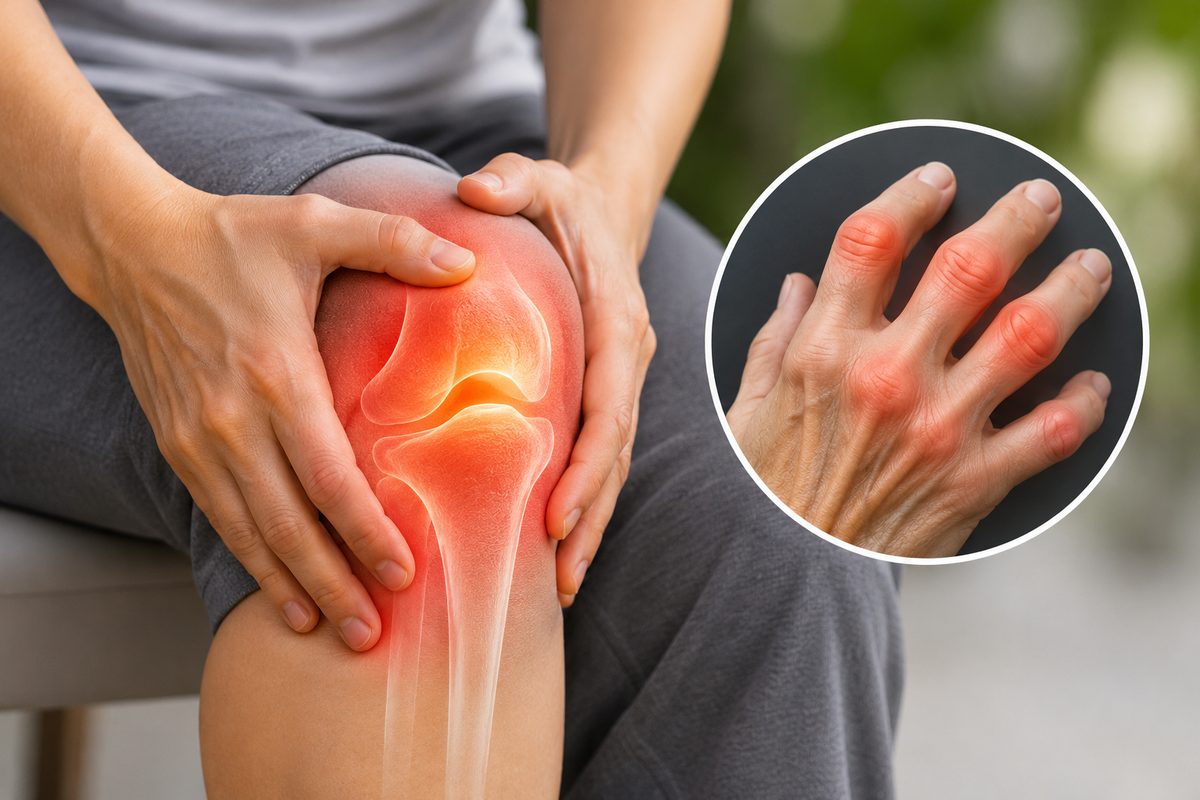
Are you experiencing joint pain, stiffness, swelling or difficulty moving comfortably? Rheumatism and arthritis are terms associated with different conditions affecting the joints, muscles and surrounding tissues. These conditions can influence everyday activities, mobility and quality of life.
At Vayra Ayurvedic Medical Center in Abu Dhabi, we offer traditional Ayurvedic joint-care therapies that may be considered as complementary wellness support alongside appropriate medical treatment. Our approach includes an individual assessment and traditional therapies such as Kizhi, Pizhichil and selected Vasti treatments, depending on personal suitability.
If you are searching for Ayurvedic treatment for arthritis in Abu Dhabi, our practitioners can explain the available traditional therapies, their procedures and relevant precautions. Treatment recommendations are based on individual health history, symptoms and professional assessment.
Ayurvedic therapies do not replace rheumatology care, prescribed medication or evidence-based arthritis treatment. The aim is to provide appropriately supervised traditional wellness options alongside your existing healthcare plan.
What Are Rheumatism and Arthritis?
Arthritis refers to a group of conditions that affect the joints. Depending on the type, it may involve pain, swelling, stiffness, tenderness and changes in joint movement.
Rheumatism is a broad, historically used term associated with joint, muscle and connective-tissue discomfort. It is not one specific medical diagnosis.
Some common conditions associated with joint symptoms include:
Osteoarthritis
Osteoarthritis is a common joint condition involving changes to the tissues within and around a joint. It often affects the knees, hips, hands and spine. Symptoms may include pain during movement, stiffness after periods of inactivity and reduced mobility.
Rheumatoid Arthritis
Rheumatoid arthritis is an autoimmune inflammatory condition in which the immune system mistakenly attacks the lining of the joints. It can cause persistent inflammation, pain, swelling and stiffness. It may affect several joints and requires appropriate medical diagnosis and ongoing care from a rheumatologist.
Gout
Gout is an inflammatory form of arthritis associated with uric acid crystal deposits in joints. It can cause sudden episodes of severe pain, redness, warmth and swelling, often affecting the big toe or another joint.
Other Rheumatic Conditions
Other inflammatory and musculoskeletal conditions can also cause joint pain, muscle discomfort and restricted movement. The correct diagnosis is important because different conditions require different medical approaches.
At Vayra, traditional Ayurvedic care is considered only after taking the person's health history and existing medical care into account.
Common Symptoms of Arthritis and Rheumatism
Symptoms differ depending on the underlying condition, the joints involved and the severity of the problem.
Common symptoms may include:
- Joint pain during movement or rest.
- Stiffness after waking up or sitting for a long time.
- Swelling around affected joints.
- Tenderness when touching or moving a joint.
- Reduced flexibility and range of movement.
- Difficulty walking, climbing stairs or holding objects.
- Warmth around an inflamed joint.
- Recurring episodes of joint discomfort.
- Fatigue, particularly with some inflammatory conditions.
Persistent or unexplained joint symptoms should be assessed by a qualified medical professional. Early diagnosis can help identify the condition and determine appropriate treatment.
Ayurvedic Approach to Joint Care
Traditional Ayurveda considers joint and musculoskeletal wellness through a broader approach that may include external therapies, lifestyle guidance, selected herbal preparations and individualised routines.
In traditional Ayurvedic practice, treatment selection may take account of the person's constitution, symptoms, general health and ability to tolerate particular procedures.
At Vayra Ayurvedic Medical Center, the traditional therapies considered for joint care may include:
- Kizhi therapies.
- Pizhichil.
- Selected Vasti therapies.
- Abhyangam, where appropriate.
- Individualised wellness and routine guidance.
The selection is not the same for everyone. A therapy that may be appropriate for one person may not be suitable for someone with an acute inflammatory flare, infection, recent injury or another medical condition.
There is no guarantee that Ayurvedic therapies will cure arthritis, reverse joint damage or stop disease progression. They should be considered only as complementary care when appropriate.
Ayurvedic Therapies for Rheumatism and Arthritis at Vayra
1. Kizhi Therapy for Joint Care
Kizhi is a traditional Ayurvedic therapy involving cloth bundles filled with selected herbal ingredients. Depending on the preparation, the bundles may contain medicinal leaves, herbal powders or other traditional materials.
The bundles are prepared according to the selected method and applied using controlled techniques. Different Kizhi procedures are chosen according to the individual's requirements.
Types of Kizhi that may be considered include:
- Podikizhi: Uses herbal powder-filled bundles.
- Elakizhi: Uses bundles containing selected medicinal leaves.
- Njavara Kizhi: Uses specially prepared Njavara rice bundles.
- Dhanyamla Kizhi: Uses bundles associated with a fermented herbal liquid preparation.
The practitioner determines whether a particular Kizhi procedure is suitable. Heat-based applications require additional care when joints are swollen, hot or acutely inflamed.
Explore our Kizhi therapies to learn about the individual procedures.
2. Pizhichil Therapy
Pizhichil is a traditional Ayurvedic therapy involving the application of warm medicated oil over the body using a specialised technique. The oil is poured or squeezed from a cloth while the therapists perform coordinated movements.
Pizhichil is traditionally associated with body care and relaxation. It may be discussed as a complementary therapy for selected individuals, depending on their health and practitioner assessment.
The procedure involves warm oil, so it may not be suitable during acute inflammation, fever, certain skin conditions or other situations where heat exposure is not recommended.
Read more about Pizhichil treatment.
3. Janu Vasti for Knee Joint Care
Janu Vasti is a traditional Ayurvedic procedure in which warm medicated oil is retained over the knee within a ring made from a dough-like material.
It is a localised therapy focused on the knee region. People experiencing knee discomfort may ask a practitioner whether this procedure is appropriate after their symptoms have been medically assessed.
Janu Vasti should not be used as a substitute for diagnosis or treatment of knee arthritis, ligament injuries or other joint conditions.
Read more about Janu Vasti treatment.
4. Kati Vasti for Lower Back Care
Kati Vasti involves retaining warm medicated oil over the lower back using a dough ring. It is a traditional localised oil-retention procedure.
It may be considered for selected people experiencing lower-back discomfort, depending on the underlying cause and individual suitability.
It is not an arthritis treatment for every joint condition and should not be used to delay assessment of severe or unexplained back pain.
5. Abhyangam Ayurvedic Oil Massage
Abhyangam is a traditional Ayurvedic oil massage involving the application of suitable oil over the body using massage techniques.
It may be considered as part of a general wellness routine when appropriate. The practitioner should assess whether massage is suitable, especially for people with painful, swollen or inflamed joints.
Read more about Abhyangam treatment.
How Is Ayurvedic Joint Care Performed at Vayra?
The treatment process is planned according to individual requirements rather than following one fixed procedure for everyone.
- Initial Consultation The practitioner discusses your symptoms, health history, previous diagnoses and current medication. Bring relevant medical reports and details of your existing treatment plan.
- Individual Assessment Your symptoms, affected areas, mobility and general health are considered. The practitioner also reviews whether there are any reasons to avoid particular therapies.
- Therapy Selection A suitable traditional therapy may be discussed, such as Kizhi, Pizhichil, Janu Vasti or another procedure. The choice depends on individual suitability and should be coordinated with your medical care.
- Supervised Treatment If appropriate, the selected procedure is performed using the relevant traditional preparation and application method. The practitioner monitors comfort and response during the session.
- Aftercare and Follow-Up You may receive general wellness guidance and recommendations for follow-up. Continue prescribed medication and medical appointments unless your treating doctor advises otherwise.
The duration, frequency and number of sessions depend on the selected therapy and individual requirements.
Who May Consider Traditional Ayurvedic Joint Care?
Adults interested in traditional Ayurvedic wellness practices may discuss complementary joint care with a qualified practitioner.
A consultation may be useful for people who:
- Experience recurring joint discomfort.
- Have stiffness affecting daily movement.
- Have a medically diagnosed musculoskeletal condition and want to discuss complementary care.
- Are interested in traditional Kizhi or oil-based therapies.
- Want guidance on whether a particular external Ayurvedic therapy is appropriate.
People with rheumatoid arthritis, gout or other inflammatory conditions should consult their rheumatologist before starting additional therapies. The treating doctor should remain involved in managing the underlying condition.
When Should You Seek Medical Attention?
Some joint symptoms require prompt medical evaluation rather than a wellness treatment.
Seek urgent medical advice if you experience:
- A suddenly painful, hot or swollen joint.
- Joint pain accompanied by fever or feeling very unwell.
- Severe pain following an injury.
- Inability to move or put weight on a joint.
- Rapidly worsening swelling or redness.
If you have rheumatoid arthritis or another diagnosed inflammatory condition, do not stop or change prescribed medication because of an Ayurvedic therapy.
Can Ayurveda Cure Arthritis?
There is no reliable basis to promise that Ayurvedic treatment cures arthritis, reverses joint damage or prevents the progression of rheumatoid arthritis or osteoarthritis.
Arthritis management depends on the specific diagnosis. Medical treatment may include prescribed medication, physical therapy, exercise recommendations, lifestyle adjustments and monitoring by an appropriate specialist.
Traditional Ayurvedic therapies may be considered as complementary wellness practices for selected people, provided they do not interfere with evidence-based treatment.
At Vayra, individual suitability and safety should guide any therapy recommendation.
Why Choose Vayra Ayurvedic Medical Center in Abu Dhabi?
Vayra Ayurvedic Medical Center brings Kerala's traditional Ashta Vaidya heritage to Abu Dhabi. The centre offers a range of traditional Ayurvedic therapies with attention to individual requirements and practitioner guidance.
When enquiring about traditional joint care at Vayra, you can expect:
- An individual discussion about your health history and concerns.
- Explanation of available traditional therapies.
- Consideration of treatment suitability and precautions.
- Traditional Kizhi, Pizhichil and Vasti procedures where appropriate.
- Guidance on coordinating complementary therapies with existing medical care.
- Information about session procedures and follow-up.
The centre's approach is based on individual assessment rather than promising the same results for every person.
Book an Ayurvedic Joint Care Consultation in Abu Dhabi
If you are exploring traditional Ayurvedic care for rheumatism, arthritis or joint discomfort, contact Vayra Ayurvedic Medical Center to discuss the available therapies and individual suitability.
Book a consultation to learn more about traditional joint-care options and how they may fit alongside your existing healthcare plan.
Book Your ConsultationFrequently Asked Questions
What is the best Ayurvedic treatment for arthritis?
There is no single best Ayurvedic therapy for every type of arthritis. Traditional options may include Kizhi, Pizhichil or selected Vasti procedures, depending on individual suitability. Consult your doctor and an appropriately qualified practitioner before starting treatment.
Can Ayurveda cure rheumatoid arthritis?
There is no established evidence that Ayurveda cures rheumatoid arthritis or reverses joint damage. Rheumatoid arthritis requires appropriate medical diagnosis, treatment and monitoring by a rheumatologist. Ayurvedic therapies should only be considered as complementary care when suitable.
Which Ayurvedic therapies are traditionally used for joint pain?
Traditional Ayurvedic joint-care approaches may include Kizhi, Pizhichil, selected Vasti procedures and Abhyangam. The appropriate option depends on the underlying condition and individual assessment.
Is Ayurvedic treatment suitable for osteoarthritis?
Some people with osteoarthritis may explore complementary wellness therapies. However, treatment suitability depends on symptoms, joint condition and medical advice. Traditional therapies should not replace evidence-based osteoarthritis management.
Can Ayurvedic treatment help with knee joint pain?
Traditional procedures such as Janu Vasti or selected Kizhi therapies may be discussed for knee-area discomfort. The cause of knee pain should be diagnosed before considering these procedures.
What is the difference between rheumatoid arthritis and osteoarthritis?
Osteoarthritis involves changes to the tissues within and around a joint. Rheumatoid arthritis is an autoimmune inflammatory disease that can affect multiple joints and other parts of the body. They have different causes and require different management approaches.
How long does Ayurvedic arthritis treatment take?
There is no fixed treatment duration for everyone. The appointment length and frequency depend on the selected procedure, the individual's health and practitioner recommendations.
Can I continue my arthritis medication during Ayurvedic treatment?
Do not stop or change prescribed medication. Discuss any additional therapy or herbal preparation with your treating doctor to check for possible interactions and safety concerns.
Is Kizhi therapy suitable for swollen joints?
Heat-based Kizhi procedures may not be appropriate for an acutely hot, red or swollen joint. Seek medical assessment first, and let the practitioner know about inflammation and any diagnosis.
Where can I enquire about Ayurvedic arthritis care in Abu Dhabi?
You can contact Vayra Ayurvedic Medical Center at Green Tower Building, B Block, 4th Floor, Khalifa Street, opposite NBD Bank, Abu Dhabi, UAE, or email info@vayraayurvedic.ae.
Individual experiences and outcomes vary. Ayurvedic therapies are offered as traditional wellness practices and may be considered alongside appropriate medical care.