Ayurvedic Care for High Blood Pressure and Heart Wellness in Abu Dhabi
Relaxing therapies and lifestyle guidance as complementary support alongside your cardiologist's care.
Book Your Consultation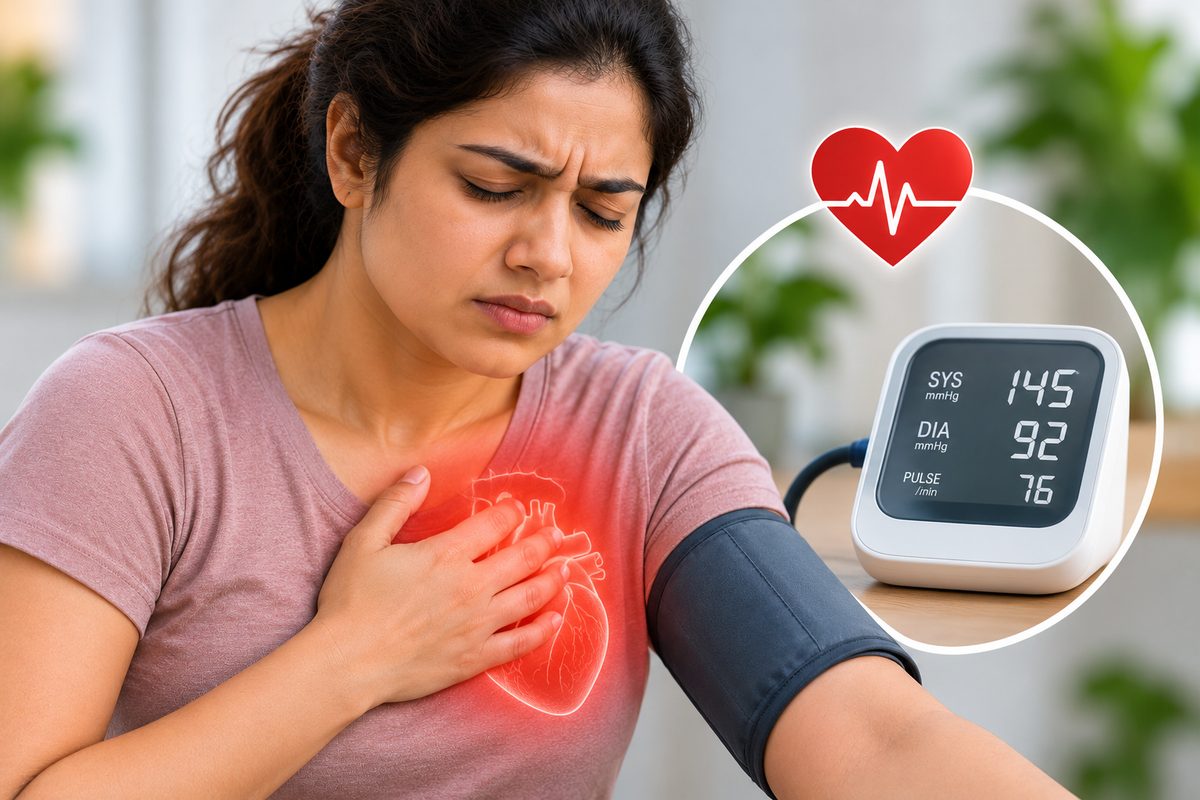
High blood pressure and cardiovascular health require consistent medical attention, healthy daily habits, and regular monitoring. Alongside appropriate medical treatment, some people may also be interested in traditional wellness practices that support relaxation, stress management, and a balanced lifestyle.
At Vayra Ayurvedic Medical Center in Abu Dhabi, we offer traditional Ayurvedic wellness therapies and lifestyle guidance that may be considered as complementary support alongside your cardiologist's recommendations. Our approach focuses on understanding individual health requirements and considering suitable traditional practices based on personal assessment.
If you are looking for Ayurvedic care for high blood pressure in Abu Dhabi, it is important to remember that Ayurveda does not replace blood pressure medication, medical investigations, or specialist cardiovascular treatment. Your heart health should always remain under the supervision of a qualified medical professional.
Understanding High Blood Pressure and Heart Health
Blood pressure is the force exerted by circulating blood against the walls of the arteries. It is recorded using two numbers:
- Systolic pressure: The pressure when the heart contracts and pumps blood.
- Diastolic pressure: The pressure when the heart relaxes between beats.
High blood pressure, also known as hypertension, occurs when blood pressure remains higher than the recommended range. It can increase the workload on the heart and contribute to damage involving the blood vessels and other organs if not properly managed.
One important feature of hypertension is that it often develops without noticeable symptoms. A person may feel completely normal while having elevated blood pressure. Regular checks and medical assessment are therefore essential.
Heart health is influenced by several factors, including blood pressure, cholesterol, blood sugar, physical activity, nutrition, sleep, smoking, alcohol use, family history, and stress.
Common Risk Factors for High Blood Pressure
Several lifestyle and health-related factors may contribute to hypertension. Understanding them can help people make informed decisions with their healthcare providers.
1. High salt intake
Regularly consuming foods with excessive salt or sodium may contribute to elevated blood pressure. Packaged snacks, processed foods, pickles, sauces, and restaurant meals can contain substantial amounts of sodium.
2. Physical inactivity
A sedentary lifestyle can contribute to weight gain and cardiovascular risk. Appropriate physical activity, selected according to medical advice and fitness level, is an important part of long-term heart health.
3. Excess body weight
Excess body weight may increase the risk of hypertension and other metabolic conditions. A sustainable approach to nutrition, activity, and weight management can support overall health.
4. Ongoing stress
Long-term stress can influence sleep, eating habits, physical activity, and general wellbeing. Learning healthy stress-management techniques may help support a balanced lifestyle.
5. Poor sleep
Insufficient or disrupted sleep can affect overall health and may be associated with higher blood pressure. Persistent sleep problems should be discussed with a healthcare professional.
6. Family history and existing health conditions
A family history of hypertension, diabetes, kidney disease, and certain cardiovascular conditions can increase a person's risk. Regular medical screening is particularly important for people with these risk factors.
How Ayurveda Approaches Heart and Blood Pressure Wellness
Ayurveda is a traditional system of health that considers daily routines, diet, lifestyle, and individual constitution as part of overall wellbeing.
In traditional Ayurvedic practice, attention may be given to relaxation, balanced routines, appropriate food choices, and therapies selected according to individual requirements.
At Vayra Ayurvedic Medical Center, the focus is on complementary wellness support rather than replacing conventional treatment. A person's medical history, current diagnosis, prescribed medicines, symptoms, and general health must be considered before any therapy is discussed.
People with hypertension, heart disease, a history of stroke, heart failure, or other cardiovascular conditions may not be suitable for every Ayurvedic procedure. Medical clearance may be necessary before considering treatment.
Ayurvedic Therapies for Heart and Blood Pressure Wellness
The following traditional therapies are listed as part of Vayra's wellness approach. Their suitability depends on individual assessment. They are not treatments for hypertension, heart failure, blocked arteries, or other cardiovascular diseases.
1. Shirodhara
Shirodhara is a traditional Ayurvedic procedure in which a steady stream of warm oil is gently poured over the forehead.
It is traditionally associated with relaxation and is sometimes included in wellness routines for people seeking a calming experience.
At Vayra, Shirodhara may be discussed as a complementary relaxation therapy when considered appropriate. It should not be presented as a method to lower blood pressure or treat a heart condition.
2. Takradhara
Takradhara is a traditional Dhara procedure involving a continuous stream of medicated buttermilk over the forehead.
It is traditionally selected in certain Ayurvedic wellness settings for its cooling and calming qualities.
Whether Takradhara is appropriate depends on the person's health condition, comfort, and professional assessment. It does not replace prescribed hypertension treatment or medical monitoring.
3. Hrid Vasti
Hrid Vasti is a traditional Ayurvedic procedure in which warm medicated oil is retained over the chest area within a specially prepared dough boundary.
It is associated with traditional Ayurvedic external therapy practices. However, a chest-area procedure requires particular caution in people with cardiovascular conditions.
Hrid Vasti must not be used to treat chest pain, heart attacks, blocked arteries, or other heart emergencies. Anyone with a diagnosed heart condition should obtain appropriate medical advice before considering this procedure.
4. Diet and Lifestyle Guidance
Healthy daily habits are an important part of cardiovascular risk management. Lifestyle guidance may include discussions about:
- Reducing excessive salt intake.
- Choosing balanced meals with vegetables, fruits, and appropriate sources of protein.
- Following a suitable physical activity routine.
- Maintaining a consistent sleep schedule.
- Developing healthy ways to manage everyday stress.
- Avoiding smoking and discussing alcohol use with a healthcare professional.
- Monitoring blood pressure as recommended by a doctor.
Dietary changes and exercise should be appropriate for the individual's medical condition. People with heart failure, kidney disease, or other complex conditions may have specific fluid, dietary, or activity requirements.
How Your Ayurvedic Consultation Is Planned at Vayra
Every individual has different health requirements. A consultation helps establish whether traditional wellness therapies are appropriate to discuss.
Step 1: Initial Consultation
The practitioner discusses your health history, current concerns, medical diagnosis, and treatment goals. You should share details of any heart condition, previous cardiovascular event, allergies, and prescribed medication.
Step 2: Individual Assessment
Your health background and comfort are considered before discussing possible therapies. If you have hypertension or a diagnosed heart condition, medical clearance may be requested.
Step 3: Suitable Therapy Discussion
The practitioner explains which traditional wellness procedures may be considered, if any. Not every therapy is suitable for every person, and some people may be advised not to undergo treatment.
Step 4: Traditional Wellness Procedure
If a procedure is considered appropriate, it is carried out using the selected traditional technique and suitable preparations. The procedure should be stopped if you experience discomfort or concerning symptoms.
Step 5: Post-Treatment Guidance
You may receive general suggestions relating to daily routines, relaxation, and healthy lifestyle habits. Continue your regular medical appointments and follow your cardiologist's instructions.
Treatment duration and frequency depend on individual requirements and the procedure selected.
Lifestyle Tips to Support Healthy Blood Pressure
Healthy daily habits can complement medical care. The following suggestions may be useful, subject to your doctor's advice.
Choose a balanced diet
Include a variety of vegetables, fruits, whole grains, and suitable protein sources. Limit foods that are high in salt and heavily processed. If you have kidney disease or heart failure, follow the dietary recommendations provided by your healthcare team.
Monitor your blood pressure
Use a validated home blood pressure monitor if recommended by your healthcare professional. Follow the correct measurement technique and maintain a record of your readings. A single unusual reading should generally be repeated after a short rest, but very high readings or concerning symptoms need prompt medical attention.
Stay physically active
Regular movement can support cardiovascular health. Walking and other moderate activities may be suitable for many people, but anyone with a heart condition should ask their doctor what level of exercise is safe.
Maintain a healthy sleep routine
Aim for consistent sleep and wake times. If you experience persistent snoring, interrupted breathing during sleep, or excessive daytime sleepiness, discuss these symptoms with a healthcare professional.
Practise stress-management techniques
Breathing exercises, relaxation practices, meditation, and other suitable activities may help you manage everyday stress. These approaches should complement, not replace, prescribed cardiovascular care.
Attend regular medical check-ups
Blood pressure, cholesterol, blood sugar, and other cardiovascular risk factors should be monitored according to your doctor's recommendations. Keep taking prescribed medication unless your treating doctor advises otherwise.
Why Consider Vayra Ayurvedic Medical Center in Abu Dhabi?
Vayra Ayurvedic Medical Center offers traditional Ayurvedic therapies and individual consultation in Abu Dhabi.
Our approach includes:
- Traditional Ayurvedic wellness procedures.
- Individual consultation before therapy selection.
- Discussion of lifestyle and daily routine.
- Consideration of personal comfort and health requirements.
- A complementary approach that recognises the importance of conventional medical care.
- A convenient Abu Dhabi location at Green Tower Building, Khalifa Street.
We understand that people have different health backgrounds. Our aim is to discuss suitable traditional wellness options responsibly, without making promises about curing or controlling cardiovascular diseases.
When Should You Seek Medical Help?
High blood pressure and heart-related symptoms should never be managed through relaxation therapies alone.
Seek emergency medical help if you experience:
- Chest pain, pressure, or tightness.
- Severe or sudden shortness of breath.
- Fainting or collapse.
- Sudden weakness or numbness, particularly on one side of the body.
- Difficulty speaking or sudden confusion.
- Sudden changes in vision.
- Severe symptoms that may indicate a heart attack or stroke.
If your blood pressure reading is above 180/120 mm Hg, wait at least one minute and measure it again. If it remains that high, contact a healthcare professional immediately. If you also have chest pain, breathlessness, weakness, numbness, vision changes, or difficulty speaking, call emergency services. Do not wait for the reading to improve on its own.
In the UAE, call 998 for an ambulance in a medical emergency.
Important: Never stop, reduce, replace, or change prescribed blood pressure or heart medication because of an Ayurvedic therapy, herbal preparation, or dietary recommendation. Discuss any complementary treatment with your cardiologist or treating doctor first.
Therapies and Packages for Heart & Blood Pressure
Book a Consultation at Vayra Ayurvedic Medical Center
If you are exploring traditional Ayurvedic wellness practices alongside your existing medical care, speak with the team at Vayra Ayurvedic Medical Center.
Our centre is located at Green Tower Building, Khalifa Street, Abu Dhabi. A consultation can help you understand the traditional therapies available and whether any may be appropriate for your individual circumstances.
Contact: info@vayraayurvedic.ae
Explore traditional Ayurvedic wellness support at Vayra in Abu Dhabi.
Book Your AppointmentFrequently Asked Questions
Can Ayurveda cure high blood pressure?
No. Ayurvedic therapies should not be described as a cure for hypertension. High blood pressure requires appropriate medical diagnosis, monitoring, and treatment. Traditional wellness practices may be considered as complementary support after discussion with your doctor.
Can I stop my blood pressure medication if I undergo Ayurvedic treatment?
No. Never stop or change prescribed blood pressure medication without consulting your treating doctor. Uncontrolled hypertension can lead to serious complications even when a person feels well.
Is Shirodhara suitable for people with high blood pressure?
Suitability depends on the individual's health, current blood pressure, medical history, and the practitioner's assessment. People with hypertension should discuss the procedure with their doctor before considering it.
What is Takradhara?
Takradhara is a traditional Ayurvedic Dhara procedure in which medicated buttermilk is poured in a steady stream over the forehead. It is a traditional wellness practice, not an established treatment for hypertension or heart disease.
What is Hrid Vasti?
Hrid Vasti is a traditional external Ayurvedic procedure in which warm medicated oil is retained over the chest within a dough boundary. It is not a treatment for heart disease or chest pain and requires particular caution in people with cardiovascular conditions.
Can stress affect blood pressure?
Stress can influence behaviour, sleep, and other factors related to cardiovascular health. Managing stress may be a useful part of a broader healthy lifestyle, but it does not replace blood pressure treatment.
How often should I check my blood pressure?
The recommended frequency depends on your readings, diagnosis, treatment, and medical history. Follow your healthcare professional's instructions. Home monitoring can help your doctor understand your blood pressure over time.
Are Ayurvedic therapies safe for people with heart disease?
Not all therapies are appropriate for people with heart disease. Some procedures may be unsuitable depending on the diagnosis, symptoms, medication, and overall health. Medical advice and individual assessment are essential before treatment.
Can I combine Ayurvedic wellness therapies with cardiology treatment?
Some people may consider traditional wellness practices alongside conventional medical care. However, discuss every proposed therapy and herbal preparation with your cardiologist to check for possible risks or interactions.
Where is Vayra Ayurvedic Medical Center located?
Vayra Ayurvedic Medical Center is located at Green Tower Building, Khalifa Street, Abu Dhabi, UAE. Contact info@vayraayurvedic.ae to enquire about consultation arrangements.
Individual experiences and outcomes vary. Ayurvedic therapies are offered as traditional wellness practices and may be considered alongside appropriate medical care.