Dhanyamla Kizhi Treatment in Abu Dhabi – Traditional Fermented Herbal Bolus Therapy
Herbal boluses dipped in warm Dhanyamla and applied over the body.
Session: 50 minVayra Ayurvedic, Abu Dhabi
Book Dhanyamla Kizhi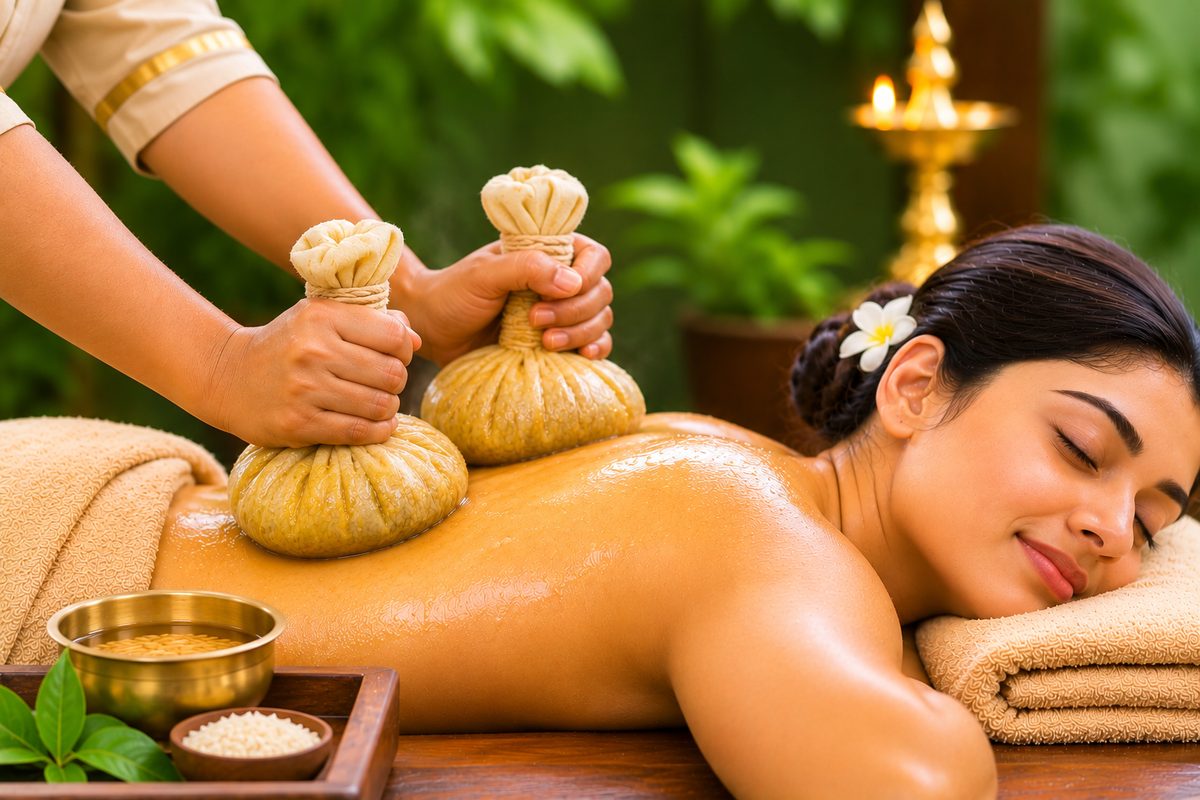
Experience traditional Dhanyamla Kizhi treatment in Abu Dhabi at Vayra Ayurvedic Medical Center. Dhanyamla Kizhi is a specialised Kerala Ayurvedic therapy that involves applying warm herbal boluses over the body using a fermented liquid preparation called Dhanyamla.
During this treatment, herbal or grain-based materials are tied inside clean linen cloth to create small bundles known as Kizhi. These bundles are repeatedly dipped into warm Dhanyamla, a fermented liquid traditionally prepared using cereals and herbs, before being pressed and moved over the body.
Unlike oil-based Ayurvedic massage therapies, Dhanyamla Kizhi uses a fermented herbal liquid rather than medicated oil as its primary application medium.
Traditionally, this therapy is considered in selected Ayurvedic wellness programmes involving joint stiffness, body heaviness and general musculoskeletal discomfort.
At Vayra Ayurvedic Medical Center in Abu Dhabi, treatment suitability is assessed by considering your symptoms, health history, skin condition and individual requirements.
If you are exploring traditional Kerala Ayurveda and specialised non-oily herbal therapies, Dhanyamla Kizhi offers a distinctive treatment experience combining warm fermented liquid and rhythmic bolus application.
Book your Dhanyamla Kizhi consultation at Vayra Ayurvedic Medical Center in Abu Dhabi.
What Is Dhanyamla Kizhi in Ayurveda?
Dhanyamla Kizhi is a traditional Ayurvedic treatment in which cloth boluses are dipped repeatedly into warm Dhanyamla and applied over the body.
The name refers to two traditional Ayurvedic concepts:
- Dhanyamla: A fermented liquid preparation made using cereals and herbs.
- Kizhi: A cloth bundle or bolus containing selected herbal or grain-based materials.
During the treatment, the prepared bundles are immersed in warm Dhanyamla and gently pressed or moved over the body.
The warm, moist boluses are traditionally applied over selected muscles and joints using controlled movements.
One of the distinctive features of Dhanyamla Kizhi is its non-oily application. Instead of using medicated oil, the therapy uses fermented herbal liquid to warm and moisten the boluses.
In traditional Ayurveda, this therapy may be considered when an individual experiences body heaviness or stiffness, following an appropriate assessment.
What Is Dhanyamla Used in This Treatment?
Dhanyamla is a traditional fermented herbal liquid prepared using cereals and selected herbs.
The preparation involves a fermentation process that produces a distinctive liquid used in certain Ayurvedic therapies.
For Dhanyamla Kizhi, the liquid is kept warm and used to dip the cloth boluses repeatedly during the procedure.
The preparation and selection of ingredients may vary according to the traditional formulation and treatment requirements.
Dhanyamla is also used in Dhanyamladhara, another Ayurvedic therapy. However, the application methods are different.
- Dhanyamla Kizhi uses cloth boluses dipped in warm Dhanyamla.
- Dhanyamladhara uses a continuous stream of Dhanyamla poured over the body or selected areas.
How Does Dhanyamla Kizhi Therapy Work?
Dhanyamla Kizhi combines warm fermented herbal liquid with rhythmic bolus application.
The practitioner prepares the cloth bundles and keeps the Dhanyamla at a suitable temperature.
During treatment, the bundles are repeatedly dipped into the warm liquid. The therapist then presses and moves them gently over selected body areas.
The procedure generally involves:
- Initial consultation and health assessment.
- Preparation of the cloth boluses.
- Preparation and warming of Dhanyamla.
- Positioning the individual comfortably.
- Repeatedly dipping the boluses into the warm liquid.
- Applying the warm boluses over the body.
- Gently drying the skin after treatment.
- Rest and personalised aftercare guidance.
The treatment pressure, application areas and temperature are adjusted according to individual comfort and practitioner recommendations.
Traditional Benefits of Dhanyamla Kizhi Therapy
Dhanyamla Kizhi is traditionally valued as a warm, moist and non-oily Ayurvedic therapy.
It may be considered as part of selected wellness programmes after assessing the individual's health condition.
1. Traditionally Considered for Joint Stiffness
Dhanyamla Kizhi may be considered in selected Ayurvedic treatment programmes involving joint stiffness and general musculoskeletal discomfort.
2. Supports Muscle Comfort
The gentle pressure and warm application of the boluses may provide a soothing experience for muscles experiencing everyday tightness.
3. Provides a Non-Oily Treatment Experience
Unlike many traditional Ayurvedic massage treatments, Dhanyamla Kizhi uses fermented herbal liquid rather than oil as its primary application medium.
4. Traditionally Associated with Body Heaviness
In traditional Ayurveda, Dhanyamla-based treatments may be considered for individuals experiencing a sense of body heaviness.
5. Provides a Warming Herbal Therapy Experience
The repeated application of warm, moist boluses creates a distinctive traditional Ayurvedic treatment experience.
6. Supports Personalised Ayurvedic Wellness Care
A qualified practitioner may include Dhanyamla Kizhi in an individualised wellness programme depending on the person's health history and requirements.
7. Complements Selected Joint and Muscle Care Programmes
Dhanyamla Kizhi may be considered alongside appropriate medical or physiotherapy care when recommended by the treating professionals.
These are traditional wellness considerations, not guaranteed medical outcomes. The therapy should not replace medical diagnosis, prescribed treatment or physiotherapy.
How Is Dhanyamla Kizhi Treatment Performed?
At Vayra Ayurvedic Medical Center in Abu Dhabi, Dhanyamla Kizhi follows a structured procedure based on individual suitability.
Step 1: Initial Consultation
The practitioner discusses your symptoms, medical history, existing diagnosis and treatment requirements.
Any history of skin sensitivity, wounds, fever or reduced skin sensation should be communicated before treatment.
Step 2: Preparation of Kizhi Boluses
The selected herbal or grain-based materials are tied inside clean linen cloth to form small treatment bundles.
Step 3: Preparation of Dhanyamla
The fermented herbal liquid is prepared and kept warm at a suitable temperature for the procedure.
Step 4: Treatment Positioning
You are guided into a comfortable position on the treatment table according to the recommended application method.
Step 5: Dipping the Boluses
The cloth bundles are repeatedly dipped into warm Dhanyamla to maintain their moisture and warmth.
Step 6: Warm Bolus Application
The therapist gently presses and moves the warm bundles over the selected muscles and joints using rhythmic movements.
The therapist checks the temperature and adjusts the pressure according to individual comfort.
Step 7: Drying and Rest
After the procedure, the skin is gently dried and you are given time to rest.
Step 8: Aftercare Guidance
The practitioner may provide recommendations regarding warmth, gentle movement, food and post-treatment care.
Session duration: Approximately 50 minutes at Vayra Ayurvedic Medical Center. Treatment frequency and suitability depend on individual requirements and practitioner guidance.
Dhanyamla Kizhi for Joint Stiffness and Body Heaviness
Dhanyamla Kizhi is traditionally considered in selected Ayurvedic programmes involving joint stiffness and a feeling of body heaviness.
The warm, moist herbal boluses are applied over selected muscles and joints using gentle pressure and controlled movements.
A practitioner may discuss this treatment with individuals who:
- Experience general joint stiffness.
- Have muscle tightness.
- Experience a feeling of body heaviness.
- Want to explore non-oily Ayurvedic therapies.
- Are interested in traditional Kerala Kizhi treatments.
- Have musculoskeletal concerns that have already been medically assessed.
The cause of joint stiffness or swelling should always be evaluated before beginning treatment.
A hot, red or significantly swollen joint requires prompt medical attention. Dhanyamla Kizhi should not delay appropriate medical care.
Who May Consider Dhanyamla Kizhi Therapy?
Dhanyamla Kizhi may be considered by adults interested in traditional non-oily Ayurvedic bolus therapies.
A practitioner may discuss this treatment with individuals who:
- Prefer non-oily Ayurvedic treatments.
- Experience general body stiffness.
- Have joint discomfort that has been medically assessed.
- Experience a feeling of body heaviness.
- Are interested in traditional fermented herbal therapies.
- Prefer traditional Kerala Ayurvedic treatment methods.
- Want to explore practitioner-guided wellness programmes.
Treatment suitability depends on the underlying cause of symptoms, medical history and individual assessment.
Who Should Avoid or Postpone Dhanyamla Kizhi?
Although Dhanyamla Kizhi is a traditional therapy, it may not be suitable for everyone.
Additional assessment or postponement may be necessary for individuals with:
- Fever or acute illness.
- Active skin infections.
- Open wounds or broken skin.
- Significant skin sensitivity or irritation.
- Reduced skin sensation.
- Acute joint inflammation.
- Recent injuries or surgery.
- Unexplained swelling.
- Certain medical conditions requiring specialised care.
People with circulation problems or other significant medical conditions should seek appropriate medical advice before treatment.
Inform the practitioner about your allergies, skin conditions and existing medical treatments.
The therapist should check the bolus temperature before and throughout the procedure to reduce the risk of burns.
If a joint becomes hot, red and swollen, or if swelling is accompanied by fever, seek prompt medical assessment.
Why Choose Vayra Ayurvedic Medical Center for Dhanyamla Kizhi in Abu Dhabi?
Vayra Ayurvedic Medical Center brings Kerala's traditional Ashta Vaidya healing heritage to Abu Dhabi.
Traditional Kerala Ayurvedic Practices
Our treatment approach is inspired by traditional Kerala Ayurvedic knowledge and specialised therapies.
Personalised Consultation
We consider your symptoms, medical history and individual requirements before recommending Dhanyamla Kizhi.
Traditional Fermented Herbal Preparation
The therapy uses Dhanyamla, a fermented liquid traditionally prepared using cereals and herbs.
Attention to Temperature and Comfort
The boluses are repeatedly dipped in warm Dhanyamla. Their temperature and application pressure are checked according to individual comfort.
Traditional Kizhi Therapies
Vayra offers Dhanyamla Kizhi, Podikizhi, Njavara Kizhi and Elakizhi, along with other traditional Ayurvedic therapies.
Convenient Location in Abu Dhabi
Vayra Ayurvedic Medical Center is located at Green Tower Building, B Block, 4th Floor, Khalifa Street, opposite NBD Bank, Abu Dhabi.
Conditions Dhanyamla Kizhi May Be Considered For
Book Your Dhanyamla Kizhi Treatment in Abu Dhabi
Explore traditional fermented herbal bolus therapy at Vayra Ayurvedic Medical Center.
If you are interested in non-oily Ayurvedic treatments, traditional Kizhi therapies or personalised wellness care for joint and muscle comfort, contact our team to discuss your requirements.
Contact Vayra Ayurvedic Medical Center to enquire about Dhanyamla Kizhi availability and arrange your consultation.
Book Your AppointmentFrequently Asked Questions About Dhanyamla Kizhi Treatment
What is Dhanyamla Kizhi treatment in Ayurveda?
Dhanyamla Kizhi is a traditional Ayurvedic therapy in which cloth boluses are repeatedly dipped in warm fermented Dhanyamla and applied over the body using gentle pressure.
What is Dhanyamla?
Dhanyamla is a fermented herbal liquid traditionally prepared using cereals and herbs. It is used in selected Ayurvedic treatments.
Is Dhanyamla Kizhi an oil therapy?
No. Dhanyamla Kizhi uses fermented herbal liquid rather than medicated oil as its primary application medium.
How long does Dhanyamla Kizhi treatment take?
A session at Vayra Ayurvedic Medical Center takes approximately 50 minutes.
What is used in Dhanyamla Kizhi boluses?
The treatment uses cloth bundles containing selected herbal or grain-based materials, which are dipped repeatedly into warm Dhanyamla.
What are the traditional benefits of Dhanyamla Kizhi?
It is traditionally considered in selected Ayurvedic programmes involving joint stiffness, body heaviness and musculoskeletal discomfort. Individual experiences vary.
Is Dhanyamla Kizhi suitable for joint stiffness?
It may be considered after medical assessment and practitioner consultation. It should not be applied over a hot, red or acutely swollen joint.
What is the difference between Dhanyamla Kizhi and Dhanyamladhara?
Dhanyamla Kizhi uses cloth boluses dipped in warm Dhanyamla, while Dhanyamladhara uses a continuous stream of fermented herbal liquid.
Is Dhanyamla Kizhi a hot treatment?
The boluses are warm. The therapist checks the temperature on their own skin before application and monitors it during the treatment.
Who should avoid Dhanyamla Kizhi?
People with fever, active skin infections, open wounds, reduced skin sensation, acute inflammation or unexplained swelling may need to avoid or postpone treatment.
Can Dhanyamla Kizhi be combined with other Ayurvedic therapies?
Different therapies may be included in a personalised Ayurvedic programme when recommended by a qualified practitioner.
What should I do after Dhanyamla Kizhi?
The skin is gently dried after treatment. Your practitioner may recommend rest, suitable warmth, gentle movement and appropriate aftercare.
Where can I get Dhanyamla Kizhi treatment in Abu Dhabi?
You can enquire about Dhanyamla Kizhi at Vayra Ayurvedic Medical Center, located at Green Tower Building, Khalifa Street, Abu Dhabi.
How can I book Dhanyamla Kizhi at Vayra Ayurvedic Medical Center?
Contact Vayra Ayurvedic Medical Center by email at info@vayraayurvedic.ae or through the booking form on our website to enquire about appointments.
Individual experiences and outcomes vary. Ayurvedic therapies are offered as traditional wellness practices and may be considered alongside appropriate medical care.