Ayurvedic Treatment for Insomnia & Sleep Problems in Abu Dhabi
Relaxing therapies such as Shirodhara and Takradhara, with guidance on evening routine.
Book Your Consultation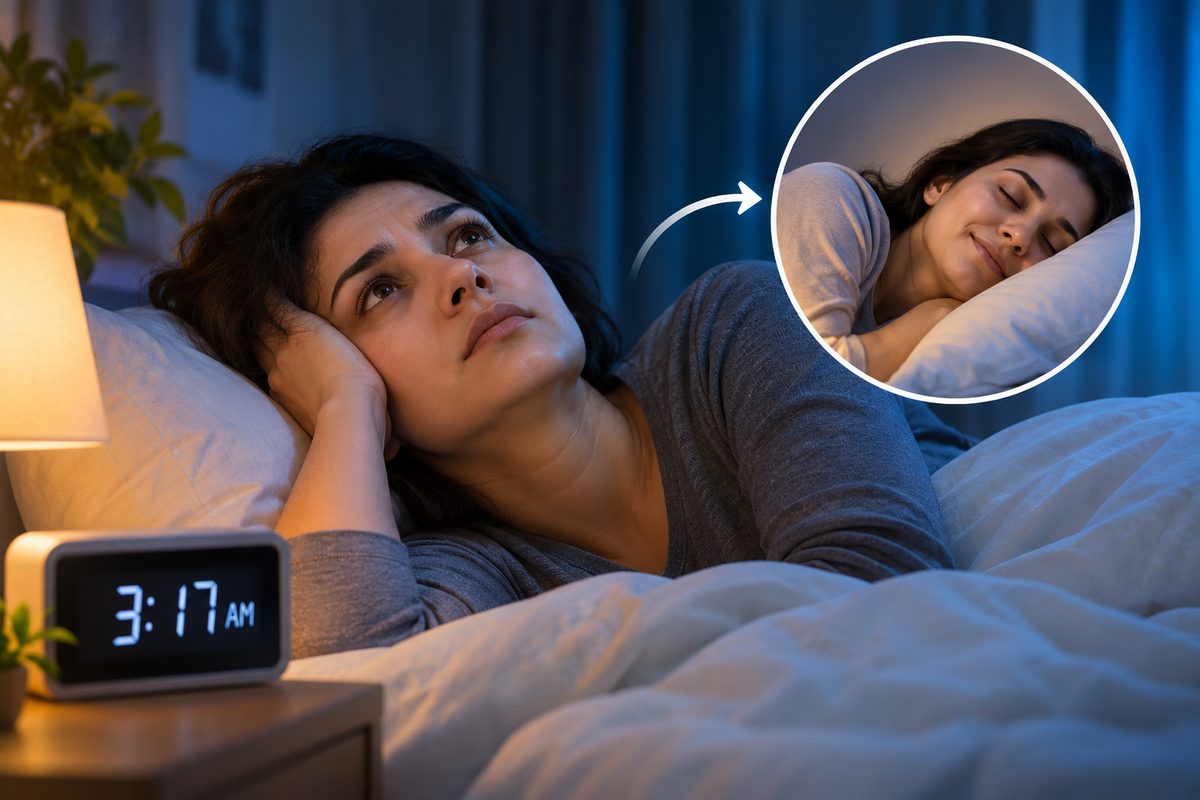
Are you finding it difficult to fall asleep, waking up repeatedly during the night or feeling tired even after spending enough time in bed? Sleep problems can affect your energy, mood, concentration and everyday activities. When these difficulties continue, they may be associated with insomnia or another sleep-related condition.
At Vayra Ayurvedic Medical Center in Abu Dhabi, we offer traditional Ayurvedic wellness therapies for individuals experiencing sleep-related concerns. Our approach combines an individual consultation, selected traditional therapies and guidance on daily and evening routines.
If you are searching for Ayurvedic treatment for insomnia in Abu Dhabi, Vayra provides practitioner-guided options such as Shirodhara, Takradhara, Abhyangam and Shiro Abhyanga, depending on individual suitability.
Ayurveda traditionally recognises sleep as Nidra, an important part of overall wellbeing. Our approach considers daily habits, stress, lifestyle and individual health history when discussing suitable wellness options.
Traditional Ayurvedic therapies are complementary wellness practices. They are not a proven cure for chronic insomnia and should not replace medical assessment or evidence-based sleep treatment.
What Is Insomnia?
Insomnia is a sleep disorder involving regular difficulty falling asleep, staying asleep or getting good-quality sleep, even when there is enough time and a suitable environment for rest.
People experiencing insomnia may spend a long time trying to fall asleep, wake up several times during the night or wake earlier than intended and struggle to return to sleep.
Sleep difficulties may be short-term or long-term. Chronic insomnia generally involves sleep problems at least three nights a week for three months or longer.
Sleep requirements differ between individuals, but most adults need around seven to nine hours of sleep each night.
Persistent sleep difficulties can affect daytime functioning, concentration, memory, mood and general quality of life.
Common Symptoms of Insomnia and Sleep Problems
Insomnia can present in different ways. Common symptoms include:
- Difficulty falling asleep at bedtime.
- Waking up frequently during the night.
- Waking up too early in the morning.
- Difficulty returning to sleep after waking.
- Feeling tired even after sleeping.
- Daytime sleepiness and low energy.
- Irritability or mood changes.
- Difficulty concentrating or remembering things.
- Reduced motivation and productivity.
- Feeling anxious about going to bed.
If sleep problems continue for several weeks or affect your daily life, consult a healthcare professional to identify the underlying cause.
What Causes Insomnia?
Insomnia can have several causes. Understanding the factors affecting sleep is important when deciding on appropriate treatment.
1. Stress and Anxiety
Work pressure, family responsibilities, financial concerns and personal challenges can make it difficult to relax at bedtime. Repeated worrying may also make it harder to return to sleep after waking during the night.
2. Irregular Sleep Schedule
Going to bed and waking up at different times can disturb the body's regular sleep-wake rhythm. Shift work, late-night activities and frequent travel may also affect sleep patterns.
3. Excessive Screen Time
Using smartphones, computers or televisions close to bedtime may make it harder to wind down. Bright light and stimulating content can interfere with a relaxing bedtime routine.
4. Caffeine and Stimulants
Coffee, tea, energy drinks and other sources of caffeine can affect sleep, particularly when consumed later in the day. Nicotine can also interfere with sleep.
5. Pain and Physical Discomfort
Chronic pain, joint discomfort, back pain and other physical symptoms can interrupt sleep or make it difficult to find a comfortable sleeping position.
6. Medical Conditions
Sleep difficulties may be associated with conditions such as anxiety, depression, thyroid disorders, chronic pain, restless legs syndrome and sleep apnoea.
7. Medication and Lifestyle Factors
Some prescribed and over-the-counter medicines can affect sleep. Alcohol, irregular meals, late exercise and daytime napping may also contribute to sleep difficulties.
The right treatment depends on the cause. Persistent insomnia should be evaluated by a healthcare professional rather than managed through relaxation therapies alone.
Ayurvedic Approach to Sleep and Insomnia
In Ayurveda, sleep is known as Nidra and is traditionally regarded as an important part of overall health and wellbeing.
Traditional Ayurvedic approaches to sleep-related wellness consider daily routine, food habits, stress, activity and individual constitution. The intention is to support a balanced routine and relaxation.
At Vayra Ayurvedic Medical Center, the consultation considers:
- Your usual sleep and wake-up schedule.
- Difficulty falling asleep or staying asleep.
- Work routine and daily activity.
- Stress and relaxation habits.
- Food and evening lifestyle patterns.
- Existing medical conditions and medications.
Based on the assessment, the practitioner may discuss suitable traditional therapies and general wellness guidance.
Ayurvedic concepts provide a traditional framework for wellness. They do not replace modern medical diagnosis of insomnia, sleep apnoea or other sleep disorders.
Ayurvedic Therapies for Insomnia and Sleep Concerns at Vayra
Vayra offers several traditional therapies that may be considered as part of a relaxation-focused wellness routine. The choice depends on individual requirements and practitioner guidance.
1. Shirodhara Treatment
Shirodhara is a traditional Ayurvedic procedure involving a continuous stream of selected liquid, commonly warm medicated oil, directed over the forehead.
The procedure is traditionally associated with relaxation and is often included in Ayurvedic wellness programmes.
At Vayra, the preparation and procedure are selected according to individual requirements. Shirodhara may be discussed by people looking for a traditional relaxation therapy as part of their general wellness routine.
It should not be presented as a proven treatment for chronic insomnia, anxiety disorders or neurological conditions.
Learn more about Shirodhara Treatment in Abu Dhabi.
2. Takradhara Treatment
Takradhara is a traditional Dhara therapy involving a controlled stream of medicated buttermilk over the forehead.
It is traditionally regarded as a cooling Ayurvedic procedure and may be considered according to individual requirements and practitioner assessment.
People interested in traditional cooling and relaxation therapies may discuss Takradhara during their consultation.
Learn more about Takradhara Treatment in Abu Dhabi.
3. Abhyangam Ayurvedic Massage
Abhyangam is a traditional full-body Ayurvedic oil massage using selected oils and specific massage techniques.
The therapy may form part of a general wellness routine for people who prefer traditional oil massage and relaxation practices.
The type of oil and massage approach are selected according to individual suitability. People with certain skin conditions, injuries or medical concerns should discuss these before treatment.
Learn more about Abhyangam Treatment in Abu Dhabi.
4. Shiro Abhyanga – Ayurvedic Head Massage
Shiro Abhyanga is a traditional Ayurvedic head massage that may include the scalp, neck and shoulders.
It may be considered by people who experience everyday tension and are interested in traditional relaxation practices.
The procedure uses suitable oil and massage techniques according to the practitioner's assessment.
Learn more about Shiro Abhyanga Treatment in Abu Dhabi.
How Is Your Ayurvedic Sleep Wellness Plan Prepared?
At Vayra, therapy recommendations are based on an individual consultation rather than a fixed treatment programme.
Step 1: Initial Consultation
The practitioner discusses your sleep pattern, daily routine, stress levels, medical history and existing health concerns. You should mention any diagnosed sleep disorder and all medicines or supplements you currently use.
Step 2: Individual Assessment
Your sleep-related concerns and general health are reviewed. The practitioner considers whether a traditional relaxation therapy may be appropriate or whether you should first seek medical assessment.
Step 3: Therapy Selection
Depending on individual suitability, the practitioner may discuss Shirodhara, Takradhara, Abhyangam or Shiro Abhyanga.
Not everyone requires the same therapy. The preparation, procedure and duration vary according to the selected treatment.
Step 4: Supervised Traditional Therapy
The selected therapy is performed using the appropriate traditional method and preparation. Your comfort and response are monitored during the procedure.
Step 5: Daily Routine and Aftercare Guidance
You may receive general guidance about evening habits, relaxation, sleep schedules and follow-up. These suggestions are intended to complement, not replace, appropriate medical treatment.
Practical Sleep Hygiene Tips for Better Sleep
Healthy sleep habits can support better rest. Consider these practical steps as part of your everyday routine.
Maintain a Regular Sleep Schedule
Try to go to bed and wake up at consistent times, including weekends. A regular schedule can help maintain your body's sleep-wake rhythm.
Reduce Screen Use Before Bedtime
Avoid using smartphones, computers and televisions immediately before going to bed. Choose a calming activity instead, such as reading or listening to quiet audio.
Limit Caffeine in the Evening
Avoid coffee, tea, energy drinks and other caffeinated products close to bedtime. Individual sensitivity varies, so consider how caffeine affects your sleep.
Create a Comfortable Bedroom
Keep your bedroom dark, quiet and comfortably cool. Use suitable curtains, bedding and pillows to create a restful environment.
Follow a Relaxing Evening Routine
Consider taking a warm bath, reading, practising gentle relaxation or following a quiet routine before bedtime.
Stay Physically Active
Regular daytime physical activity can support overall health and sleep. Avoid intense exercise too close to bedtime if it makes you feel more alert.
Avoid Long or Late Daytime Naps
Long naps, especially later in the day, may make it harder to fall asleep at night.
Keep a Sleep Diary
Record your bedtime, waking time, night-time awakenings, caffeine intake and daytime sleepiness for one or two weeks. This information may help your healthcare professional understand your sleep pattern.
When Should You Seek Medical Advice for Insomnia?
Persistent sleep problems can sometimes indicate an underlying medical or sleep disorder.
Consult a healthcare professional if:
- You have difficulty sleeping for several weeks.
- Sleep problems regularly affect your work or daily activities.
- You experience loud snoring or interrupted breathing during sleep.
- You wake up gasping or choking.
- You experience severe daytime sleepiness.
- You have ongoing anxiety, depression or chronic pain.
- You regularly feel sleepy while driving or performing daily tasks.
If you are struggling to stay awake while driving, do not drive.
Cognitive behavioural therapy for insomnia, commonly known as CBT-I, is a recommended first-line treatment for chronic insomnia in adults. A healthcare professional can assess whether this or another treatment is appropriate.
Can Ayurveda Cure Insomnia?
There is currently insufficient reliable clinical evidence to claim that traditional Ayurvedic therapies cure chronic insomnia.
Shirodhara, Takradhara and Abhyangam are traditional wellness procedures that some people may choose for relaxation. They should not be represented as substitutes for evidence-based insomnia treatment.
Chronic insomnia may require structured treatment such as CBT-I, assessment of contributing medical conditions and, in selected cases, medication prescribed by a doctor.
At Vayra, traditional therapies may be discussed as complementary wellness options where suitable. People should continue their prescribed medical care and consult their healthcare provider before starting herbal preparations or supplements.
Why Choose Vayra Ayurvedic Medical Center in Abu Dhabi?
Vayra Ayurvedic Medical Center brings Kerala's traditional Ashta Vaidya heritage to Abu Dhabi. The centre offers a range of traditional Ayurvedic therapies with attention to individual requirements and practitioner guidance.
When enquiring about sleep-related wellness at Vayra, you can expect:
- An individual consultation about your sleep concerns.
- Discussion of daily habits and evening routines.
- Traditional therapy options such as Shirodhara and Takradhara.
- Guidance on the suitability of oil-based massage therapies.
- An approach that considers existing medical conditions and treatment.
- Information about procedures, duration and follow-up.
Every recommendation is based on individual assessment. The centre does not promise a guaranteed cure or a fixed timeline for improving sleep.
Therapies and Packages for Insomnia & Sleep
Book an Ayurvedic Sleep Wellness Consultation in Abu Dhabi
If you are experiencing difficulty sleeping and are interested in traditional Ayurvedic wellness therapies, contact Vayra Ayurvedic Medical Center to discuss the available options.
Speak with the team to learn about Shirodhara, Takradhara, Abhyangam and Shiro Abhyanga, and whether a traditional wellness session may be suitable for you.
Book Your AppointmentFrequently Asked Questions About Insomnia and Sleep
What is the best Ayurvedic treatment for insomnia?
There is no single Ayurvedic treatment proven to cure insomnia. Traditional wellness options such as Shirodhara, Takradhara and Abhyangam may be considered for relaxation, depending on individual suitability. Chronic insomnia should be assessed by a healthcare professional.
Can Shirodhara help with sleep problems?
Shirodhara is a traditional Ayurvedic therapy involving a continuous stream of liquid over the forehead. Some people choose it as a relaxation practice, but reliable evidence that it treats chronic insomnia is limited.
What is Takradhara treatment?
Takradhara is a traditional Ayurvedic Dhara procedure in which medicated buttermilk is directed over the forehead. It is traditionally regarded as a cooling therapy and is selected according to individual requirements.
What causes difficulty falling asleep?
Difficulty falling asleep can be associated with stress, anxiety, caffeine, irregular sleep schedules, screen use, pain, medications and medical conditions. A healthcare professional can help identify the cause if the problem persists.
How many hours of sleep do adults need?
Most adults need approximately seven to nine hours of sleep each night. Individual sleep requirements may vary.
Can stress cause insomnia?
Yes. Stress and persistent worrying can make it harder to fall asleep or return to sleep after waking. Relaxation habits may support wellbeing, while persistent anxiety or insomnia may require professional care.
What is the difference between insomnia and sleep deprivation?
Insomnia involves difficulty sleeping despite having enough opportunity and suitable conditions for sleep. Sleep deprivation means not getting enough sleep, which may result from work schedules, lifestyle or other circumstances.
Is Ayurvedic massage useful for relaxation?
Traditional oil massage such as Abhyangam may be chosen as a relaxation practice. Individual experiences vary, and massage should not be considered a proven treatment for chronic insomnia.
When should I consult a doctor for insomnia?
Consult a healthcare professional when sleep difficulties persist, affect daily functioning or occur alongside symptoms such as loud snoring, interrupted breathing or severe daytime sleepiness.
Where can I get Ayurvedic sleep wellness care in Abu Dhabi?
You can enquire at Vayra Ayurvedic Medical Center, Green Tower Building, B Block, 4th Floor, Khalifa Street, opposite NBD Bank, Abu Dhabi, UAE.
Individual experiences and outcomes vary. Ayurvedic therapies are offered as traditional wellness practices and may be considered alongside appropriate medical care.