Ayurvedic Treatment for Psoriasis & Skin Conditions in Abu Dhabi
Takradhara, herbal packs and Panchakarma, considered alongside your dermatologist's care.
Book Your Consultation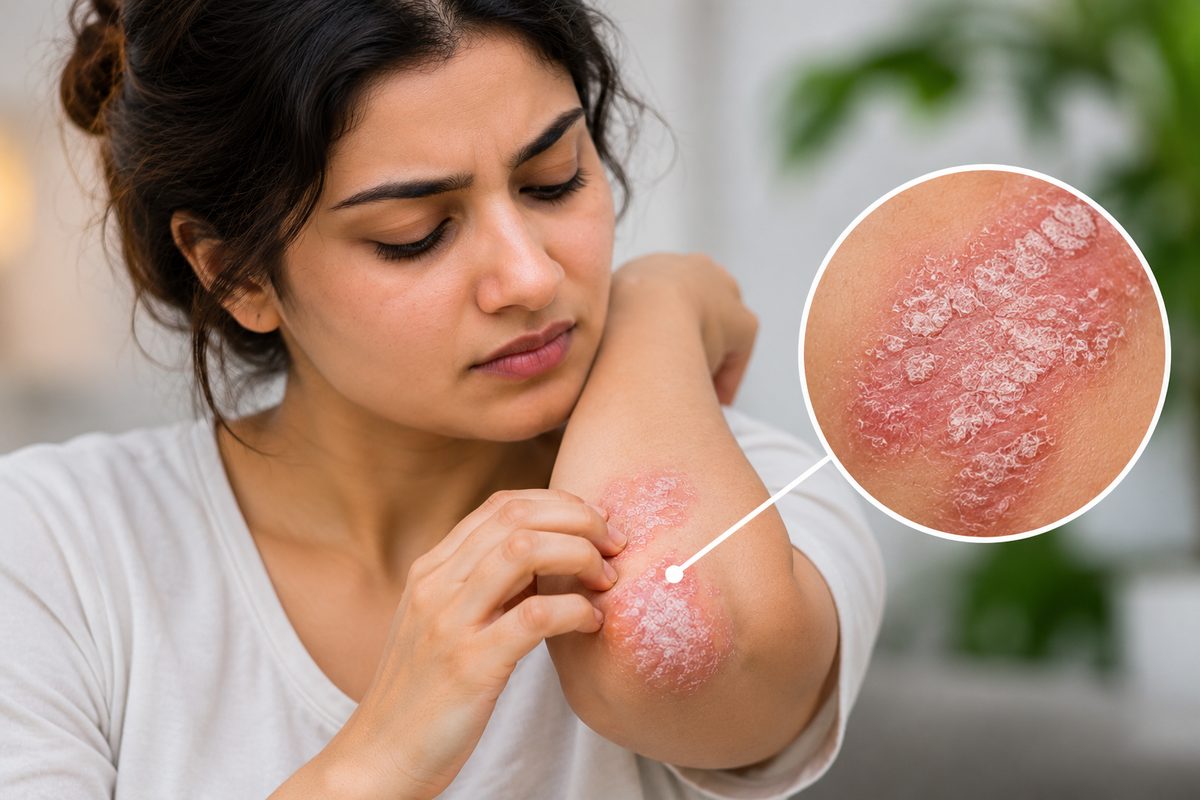
Are you experiencing persistent itching, dry skin, redness, scaling or recurring skin irritation? Long-term skin conditions such as psoriasis and eczema can affect physical comfort, sleep, confidence and everyday activities. Understanding the condition and choosing appropriate care are important for managing recurring skin concerns.
At Vayra Ayurvedic Medical Center in Abu Dhabi, we offer traditional Ayurvedic wellness therapies for individuals interested in complementary skin care. Depending on individual assessment, options may include Takradhara, Lepam, selected Panchakarma procedures and gentle Ayurvedic facial treatments.
If you are searching for Ayurvedic treatment for psoriasis in Abu Dhabi, our practitioners can explain the traditional therapies available and whether they may be suitable alongside your dermatologist's treatment plan.
Ayurvedic therapies are traditional wellness practices. They are not established cures for psoriasis, eczema or other chronic skin diseases. Appropriate dermatological diagnosis and evidence-based treatment remain important for managing these conditions.
What Is Psoriasis?
Psoriasis is a chronic inflammatory skin condition that causes skin cells to build up more quickly than usual. This can lead to thickened patches of skin, scaling, dryness and itching.
Psoriasis commonly affects areas such as:
- Elbows and knees.
- Scalp and hairline.
- Lower back.
- Hands and feet.
- Trunk and other body areas.
- Fingernails and toenails.
The appearance and severity of psoriasis vary between individuals. Some people experience small patches, while others may develop more widespread skin involvement.
Psoriasis often follows a pattern of flare-ups and periods when symptoms become less noticeable. It is not contagious and cannot be spread through ordinary physical contact.
What Is Eczema?
Eczema is a general term used for a group of skin conditions that cause dryness, inflammation and itching. Atopic dermatitis is a common type of eczema.
People with eczema may experience:
- Dry and sensitive skin.
- Persistent itching.
- Red, darker or inflamed patches.
- Cracked or rough skin.
- Skin irritation and discomfort.
- Flare-ups that come and go.
Eczema and psoriasis can sometimes look similar, but they are different conditions and may require different treatments. A dermatologist can assess the skin and determine the correct diagnosis.
Difference Between Psoriasis and Eczema
Understanding the difference between psoriasis and eczema is important when selecting appropriate skin care.
Psoriasis
Psoriasis commonly causes well-defined, thickened patches with scaling. It frequently affects the elbows, knees and scalp, although it can occur elsewhere.
Eczema
Eczema often causes dry, itchy and inflamed skin. The affected areas may become irritated, cracked or thickened due to repeated scratching.
Why Diagnosis Matters
Not every itchy or scaly skin patch is psoriasis or eczema. Fungal infections, contact dermatitis and other skin conditions can produce similar symptoms.
A dermatologist may examine the affected skin and, when necessary, recommend additional tests to confirm the diagnosis. Avoid starting a treatment based only on the appearance of a rash.
Common Symptoms of Psoriasis and Skin Conditions
Symptoms depend on the condition, the affected area and its severity.
Common psoriasis symptoms include:
- Thickened patches of skin.
- Dry, scaly or flaky areas.
- Itching or irritation.
- Cracked skin that may bleed.
- Scalp scaling.
- Changes in fingernails or toenails.
- Repeated flare-ups.
Common eczema symptoms include:
- Dry and sensitive skin.
- Persistent itching.
- Inflamed or discoloured patches.
- Rough or cracked skin.
- Skin irritation after contact with certain substances.
- Discomfort that may interfere with sleep.
If you notice painful skin, spreading redness, discharge, swelling or signs of infection, seek medical advice.
What Causes Psoriasis and Eczema?
Psoriasis and eczema have different underlying mechanisms. Neither condition is caused simply by poor hygiene.
Factors Associated with Psoriasis
Psoriasis is an immune-mediated inflammatory condition. Genetic factors and immune system activity play important roles.
Possible triggers or factors associated with flare-ups include:
- Physical or emotional stress.
- Skin injuries or repeated irritation.
- Certain infections.
- Some medications.
- Smoking and alcohol consumption.
- Changes in weather or environmental conditions.
Triggers vary between individuals. A dermatologist can help identify relevant factors.
Factors Associated with Eczema
Eczema may involve a combination of genetic factors, skin barrier problems and immune responses.
Possible triggers include:
- Soaps and harsh detergents.
- Fragrances and cosmetic products.
- Dry weather.
- Excessive sweating.
- Certain fabrics.
- Allergens or irritants.
- Stress and disrupted sleep.
Avoiding personal triggers and following an appropriate skin-care routine may help reduce irritation.
Ayurvedic Approach to Skin Wellness
Traditional Ayurveda considers skin health as part of broader wellbeing. Its approach may include daily routines, diet, stress management and selected external therapies.
Traditional Ayurvedic practice uses concepts such as Dosha and individual constitution when discussing skin-related wellness. These concepts belong to the Ayurvedic tradition and should not be treated as replacements for dermatological diagnosis.
At Vayra Ayurvedic Medical Center, an initial consultation may consider:
- Your existing skin diagnosis.
- Areas affected by the condition.
- Skin sensitivity and irritation.
- Previous treatments and current medication.
- Known allergies.
- General health and daily routine.
- Whether a particular traditional therapy is appropriate.
The practitioner may discuss complementary wellness options after considering your requirements. Treatment recommendations should be coordinated with your dermatologist.
Ayurvedic Therapies for Psoriasis and Skin Care at Vayra
Vayra offers selected traditional Ayurvedic therapies that may be considered for complementary skin wellness. The choice depends on the individual's condition, skin sensitivity and practitioner assessment.
1. Takradhara Treatment
Takradhara is a traditional Ayurvedic Dhara therapy involving a controlled stream of medicated buttermilk over the forehead.
It is traditionally regarded as a cooling procedure and may be considered as part of an individual Ayurvedic wellness plan.
Takradhara is not a direct skin application over psoriasis plaques and should not be advertised as a proven psoriasis treatment.
The practitioner will assess suitability, including any concerns relating to scalp or skin sensitivity.
Learn more about Takradhara Treatment in Abu Dhabi.
2. Lepam – Ayurvedic Herbal Paste Application
Lepam is a traditional Ayurvedic external therapy involving the application of a prepared herbal paste to a selected area.
The ingredients and preparation method vary according to traditional practice and individual requirements.
For people with skin concerns, the practitioner must consider allergies, skin sensitivity and the condition of the affected area before recommending any herbal application.
Lepam should not be applied to open wounds, infected skin or severely inflamed areas without appropriate medical advice. A herbal preparation can also cause irritation or allergic reactions.
Learn more about Lepam Treatment in Abu Dhabi.
3. Panchakarma Therapy
Panchakarma is a traditional Ayurvedic programme involving selected procedures planned according to individual assessment.
It is not one single treatment. The procedures, preparation and duration depend on the person's health and practitioner recommendations.
People interested in Panchakarma for general Ayurvedic wellness should understand the procedures and potential risks before beginning a programme.
Panchakarma should not be presented as a proven method for removing psoriasis, eliminating toxins that cause eczema or curing chronic skin conditions.
Learn more about Panchakarma Treatment in Abu Dhabi.
4. Ayurveda Facials
Ayurvedic facials involve selected herbal cleansers, facial massage and skin-specific preparations.
At Vayra, facial products and procedures are selected according to skin type and individual requirements.
A facial may be suitable for people seeking general facial wellness, but it is not necessarily appropriate for active psoriasis or eczema affecting the face.
Avoid facial massage, exfoliation, steam or herbal products over broken, infected or severely irritated skin unless cleared by an appropriate healthcare professional.
Learn more about Ayurvedic Facial Treatment in Abu Dhabi.
How Is Your Ayurvedic Skin Care Plan Prepared?
At Vayra, traditional therapy recommendations are based on individual assessment rather than one fixed procedure for everyone.
Step 1: Initial Consultation
The practitioner discusses your skin concerns, medical diagnosis, health history, previous treatments and current medication.
Bring details of any prescribed creams, tablets or other skin treatments.
Step 2: Individual Assessment
The practitioner considers the affected areas, skin sensitivity, comfort and suitability for traditional external therapies.
If there are signs of infection or severe inflammation, medical assessment should take priority.
Step 3: Therapy Selection
Depending on individual requirements, the practitioner may discuss Takradhara, Lepam, Panchakarma or other suitable wellness procedures.
The selection should take account of known allergies and your dermatologist's advice.
Step 4: Supervised Traditional Therapy
The selected procedure is carried out using the relevant traditional method and preparation. Your comfort and skin response should be monitored throughout.
Step 5: Aftercare and Follow-Up
You may receive general guidance about daily skin care, lifestyle routines and follow-up. Continue your prescribed dermatological treatment unless your doctor advises otherwise.
Treatment duration, frequency and suitability vary according to the individual plan.
Daily Skin Care Tips for Psoriasis and Eczema
A consistent skin-care routine can support skin comfort. These suggestions do not replace treatment prescribed by a dermatologist.
Keep Your Skin Moisturised
Use a suitable fragrance-free moisturiser regularly, particularly after bathing. Moisturisers can help support the skin barrier and reduce dryness.
Avoid Harsh Skin Products
Strong soaps, fragrances, exfoliating products and harsh cleansers may irritate sensitive skin. Choose products appropriate for your condition.
Use Comfortable Clothing
Soft, breathable fabrics may help reduce friction and irritation. Avoid clothing that repeatedly rubs affected areas.
Avoid Scratching
Scratching can damage the skin and increase the risk of infection. Keep nails short and discuss persistent itching with your dermatologist.
Identify Personal Triggers
Record changes in symptoms and possible triggers such as weather, skincare products, stress and exposure to irritants.
Follow Your Prescribed Treatment
Use prescribed creams, ointments or other medication according to your doctor's instructions. Do not stop treatment because symptoms temporarily improve.
Protect Your Skin from Excessive Sun Exposure
Some people may find carefully managed sunlight exposure helpful, but excessive sun exposure can cause burns and worsen skin problems. Ask your dermatologist about suitable sun protection.
When Should You See a Dermatologist?
Seek medical advice if:
- A rash is spreading quickly.
- Skin becomes very painful or swollen.
- You notice pus, discharge or increasing warmth.
- You develop fever alongside a skin flare.
- Skin cracks or bleeds repeatedly.
- Itching affects your sleep or daily activities.
- You notice changes in your nails or joint pain alongside psoriasis symptoms.
People with psoriasis may also develop psoriatic arthritis, which can cause joint pain, swelling and stiffness. Early medical assessment is important if these symptoms occur.
Can Ayurveda Cure Psoriasis or Eczema?
There is no reliable clinical evidence that traditional Ayurvedic therapies cure psoriasis or eczema permanently.
Both conditions can be long-term and may require ongoing dermatological management. Treatment options for psoriasis may include topical medication, phototherapy and systemic medicines, depending on severity. Eczema management may include moisturisers, prescribed topical treatments and other medical options.
Traditional Ayurvedic therapies may be considered as complementary wellness practices when appropriate, but they should not replace evidence-based treatment.
Some herbal ingredients can irritate the skin or interact with medicines. Discuss herbal products and supplements with your dermatologist or doctor before using them.
At Vayra, traditional wellness options are discussed according to individual suitability, with medical care remaining important.
Why Choose Vayra Ayurvedic Medical Center in Abu Dhabi?
Vayra Ayurvedic Medical Center brings Kerala's traditional Ashta Vaidya heritage to Abu Dhabi. The centre offers a range of traditional Ayurvedic therapies with attention to individual requirements and practitioner guidance.
When enquiring about traditional skin wellness at Vayra, you can expect:
- An individual consultation about your skin concerns.
- Discussion of your existing medical diagnosis and treatments.
- Explanation of available traditional therapies.
- Consideration of skin sensitivity and allergies.
- Guidance on the suitability of external herbal applications.
- Information about procedures and aftercare.
The recommended approach is based on individual assessment. The centre does not promise a guaranteed cure or a fixed timeline for improving chronic skin conditions.
Therapies and Packages for Psoriasis & Skin
Book an Ayurvedic Skin Wellness Consultation in Abu Dhabi
If you are exploring traditional Ayurvedic skin wellness alongside your dermatological care, contact Vayra Ayurvedic Medical Center to discuss the available options.
Speak with the team to learn about Takradhara, Lepam, Panchakarma and Ayurvedic facial treatments, and whether any of these options may be appropriate for your requirements.
Book Your AppointmentFrequently Asked Questions About Psoriasis and Skin Conditions
What is the best treatment for psoriasis in Abu Dhabi?
The appropriate psoriasis treatment depends on its type, severity and affected areas. Dermatological options may include topical medicines, phototherapy and systemic treatment. Traditional Ayurvedic therapies may be discussed as complementary wellness options, but they are not established cures.
Can Ayurveda cure psoriasis permanently?
There is no reliable evidence that Ayurvedic therapies permanently cure psoriasis. It is a chronic inflammatory skin condition that may require ongoing medical management.
Which Ayurvedic therapies are traditionally used for skin care?
Traditional options may include selected herbal paste applications such as Lepam and other practitioner-guided wellness procedures. The suitability of each therapy depends on skin condition, sensitivity and medical history.
What is the difference between psoriasis and eczema?
Psoriasis commonly causes thickened, scaly skin patches, while eczema often causes dry, itchy and inflamed skin. The conditions are different and require appropriate diagnosis and management.
Is psoriasis contagious?
No. Psoriasis is not contagious and cannot be transmitted through touching, sharing clothing or ordinary physical contact.
Can stress make psoriasis worse?
Stress is recognised as a possible psoriasis trigger or aggravating factor in some people. Managing stress may support general wellbeing, but it does not replace medical psoriasis treatment.
Is Lepam suitable for psoriasis?
Lepam is a traditional herbal paste application. It should not automatically be used on psoriasis patches. The practitioner and dermatologist should consider the affected skin, inflammation, allergies and infection risk before any application.
Can I continue my psoriasis medication during Ayurvedic therapy?
Continue your prescribed medication unless your treating doctor advises otherwise. Inform the Ayurvedic practitioner about all medicines and topical products you currently use.
Does diet affect psoriasis and eczema?
Diet can influence overall health, and some individuals may identify personal triggers. However, there is no universal diet that cures psoriasis or eczema. Avoid restrictive diets or supplements without appropriate professional guidance.
Where can I enquire about Ayurvedic skin care in Abu Dhabi?
You can enquire at Vayra Ayurvedic Medical Center, Green Tower Building, B Block, 4th Floor, Khalifa Street, opposite NBD Bank, Abu Dhabi, UAE.
Individual experiences and outcomes vary. Ayurvedic therapies are offered as traditional wellness practices and may be considered alongside appropriate medical care.