Ayurvedic Treatment for Joint Pain in Abu Dhabi – Traditional Joint Care
Janu Vasti, Kizhi and herbal paste therapies for stiff or uncomfortable joints.
Book Your Consultation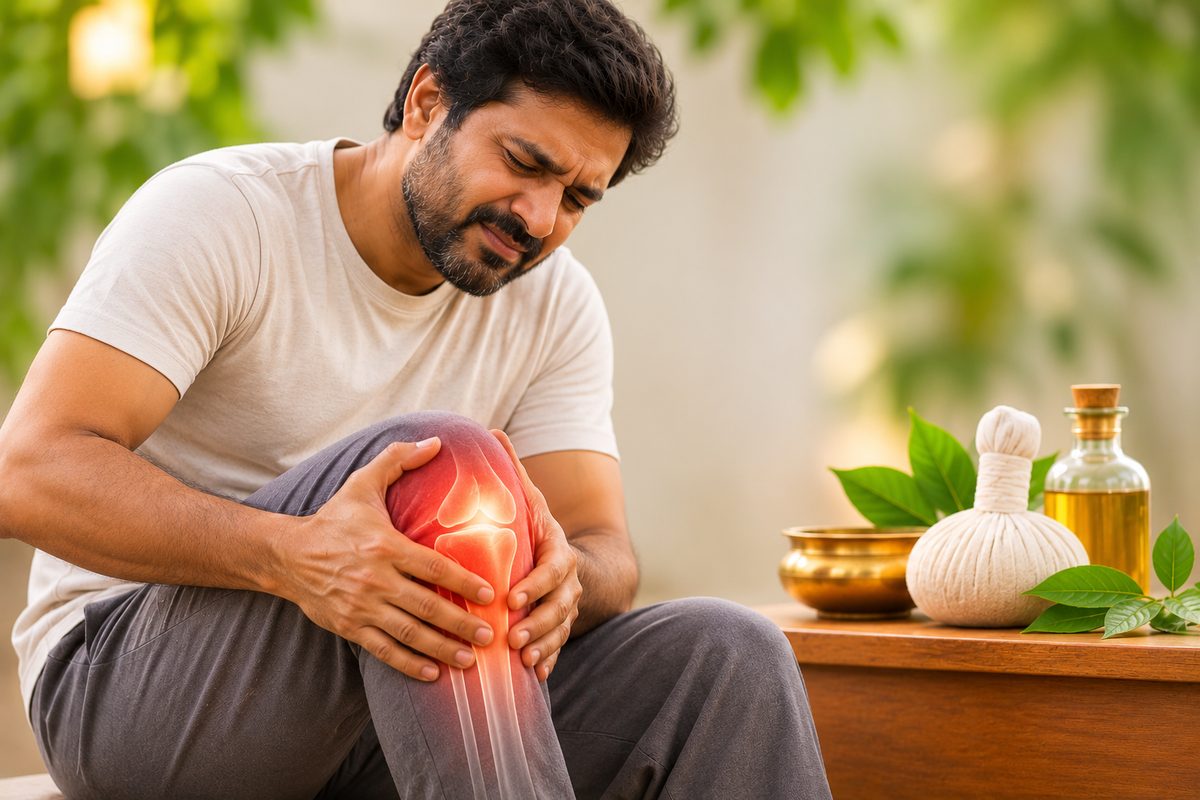
Joint pain can affect everyday activities such as walking, climbing stairs, standing, working, and getting up from a chair. It may occur in the knees, hips, shoulders, wrists, hands, ankles, or other parts of the body. Some people experience occasional discomfort, while others have persistent pain, swelling, or stiffness that affects their mobility.
At Vayra Ayurvedic Medical Center in Abu Dhabi, we offer traditional Ayurvedic therapies that may be considered as complementary wellness support for people experiencing joint discomfort. Depending on individual assessment, the therapies available include Janu Vasti, Podikizhi, Lepam, Dhanyamla Kizhi, and Abhyangam.
Our approach begins with understanding your symptoms, health history, and existing medical diagnosis before discussing suitable traditional procedures. The aim is to provide personalised wellness support while recognising the importance of medical assessment, physiotherapy, and appropriate treatment.
If you are searching for Ayurvedic treatment for joint pain in Abu Dhabi, Vayra offers traditional therapies and individual consultation to help you explore suitable options. These therapies do not replace medical treatment for arthritis, injuries, joint infections, or other musculoskeletal conditions.
Understanding Joint Pain
Joints are the places where two or more bones meet. They help the body move, bend, turn, and perform everyday activities.
Joint pain may develop gradually or begin suddenly. It can affect one joint or several joints at the same time. The type of pain, its location, duration, and associated symptoms can help healthcare professionals understand its possible cause.
Common symptoms include:
- Pain while walking, standing, or moving.
- Stiffness after waking up or sitting for a long time.
- Swelling around a joint.
- Tenderness when touching the affected area.
- Reduced flexibility or movement.
- Discomfort while climbing stairs.
- Difficulty performing everyday activities.
- A clicking, grinding, or cracking sensation during movement.
Joint symptoms can have different causes. A proper diagnosis is important because the right treatment depends on the underlying condition.
Common Causes of Joint Pain
1. Osteoarthritis
Osteoarthritis is a common joint condition involving changes to the cartilage and other structures within a joint. It commonly affects the knees, hips, and hands.
Possible symptoms include:
- Pain during movement or activity.
- Stiffness after periods of rest.
- Joint tenderness.
- Reduced range of movement.
- Swelling or changes in joint shape.
Symptoms may develop gradually and vary in severity. Medical assessment helps confirm the diagnosis and identify suitable management options.
2. Rheumatoid Arthritis
Rheumatoid arthritis is an autoimmune condition in which the immune system affects the joints, causing inflammation.
Common symptoms may include:
- Pain and swelling in multiple joints.
- Morning stiffness that lasts longer than usual.
- Warmth around affected joints.
- Fatigue.
- Symptoms that may affect both sides of the body.
Rheumatoid arthritis requires medical diagnosis and appropriate treatment to help control inflammation and reduce the risk of joint damage. Traditional Ayurvedic therapies should not replace disease-modifying medication or rheumatology care.
3. Knee Pain
Knee pain may develop due to osteoarthritis, ligament injuries, tendon problems, overuse, inflammation, or other conditions.
It may affect walking, squatting, climbing stairs, and standing for long periods.
The appropriate approach depends on the cause. Knee pain following an injury, sudden swelling, or an inability to bear weight requires medical evaluation.
4. Gout
Gout is a form of inflammatory arthritis caused by the accumulation of urate crystals in a joint.
It may cause sudden, severe pain, swelling, redness, and warmth, often affecting the big toe but sometimes other joints.
An acutely hot and swollen joint should be assessed promptly to distinguish gout from other conditions, including joint infection.
5. Joint Injuries and Overuse
Sports, repetitive movements, falls, and accidents may cause sprains, strains, tendon injuries, or other joint problems.
Rest and appropriate medical assessment may be needed depending on the severity. Avoid massage or heat-based therapies over a recent injury until the cause has been assessed.
6. Age-Related Joint Changes
Changes in joint structures and muscle strength may occur with age. Some people experience increasing stiffness or discomfort during everyday activities.
However, joint pain should not automatically be considered a normal part of ageing. Persistent, severe, or worsening symptoms deserve medical assessment.
How Ayurveda Traditionally Approaches Joint Discomfort
Ayurveda is a traditional system of health that considers daily routines, individual constitution, diet, movement, and external therapies as part of general wellbeing.
In traditional Ayurvedic understanding, joint discomfort is often discussed in relation to Vata. Practitioners may consider warm oils, herbal preparations, bolus therapies, and external applications as part of an individual wellness programme.
The selection of a traditional therapy depends on the person's health history, symptoms, comfort, and suitability.
At Vayra Ayurvedic Medical Center, the available therapies for discussion include Janu Vasti, Podikizhi, Lepam, Dhanyamla Kizhi, and Abhyangam.
These procedures are traditional wellness practices. They should not be presented as treatments that cure osteoarthritis, reverse cartilage damage, or stop autoimmune joint disease.
Ayurvedic Therapies for Joint Pain at Vayra
1. Janu Vasti – Traditional Knee Care
Janu Vasti is a traditional Ayurvedic procedure focused on the knee area.
During the procedure, warm medicated oil is retained over the knee inside a specially prepared dough boundary. The oil is maintained at a comfortable temperature for the selected treatment period.
Janu Vasti is traditionally used as an external therapy for the knee region.
It may be discussed by people experiencing:
- Knee discomfort.
- Knee stiffness.
- General knee-area tension.
- Reduced comfort during everyday movement.
The procedure must be adapted to individual suitability. It should not be performed over an acutely swollen, infected, injured, or damaged area without medical assessment.
Treatment duration listed at Vayra: approximately 45 minutes.
2. Podikizhi – Herbal Powder Bolus Therapy
Podikizhi is a traditional Ayurvedic treatment involving herbal powders prepared inside cloth boluses.
The boluses are warmed appropriately and applied over selected areas using controlled movements. The technique and pressure depend on the person's comfort and individual requirements.
Podikizhi is traditionally included in some Ayurvedic wellness programmes involving muscle and joint discomfort.
It may be considered for discussion when someone experiences:
- General muscle tension.
- Joint-area stiffness.
- Discomfort associated with physical activity.
- Reduced comfort in selected body areas.
The temperature and pressure must be monitored carefully. It is not appropriate for every inflammatory condition or recent injury.
Treatment duration listed at Vayra: approximately 60 minutes.
3. Lepam – Herbal Paste Application
Lepam is a traditional Ayurvedic external procedure in which a freshly prepared herbal paste is applied to a selected area.
The preparation and application depend on the area being treated and the individual's suitability.
Lepam may be discussed as part of a traditional wellness approach for selected areas experiencing discomfort.
Important precautions include checking for skin allergies, irritation, wounds, infection, and sensitivity to the herbal ingredients.
The paste should not be applied to broken or infected skin.
Treatment duration listed at Vayra: approximately 40 minutes.
4. Dhanyamla Kizhi – Traditional Herbal Bolus Therapy
Dhanyamla Kizhi is a traditional Ayurvedic procedure using cloth boluses dipped in warm Dhanyamla, a fermented herbal liquid.
The warmed boluses are applied over selected body areas using an appropriate technique.
The procedure may be considered as part of a traditional wellness programme after individual assessment.
Temperature and pressure should be adjusted to personal comfort. People with skin sensitivity, inflammation, wounds, or certain medical conditions may need to avoid or modify the procedure.
Treatment duration listed at Vayra: approximately 50 minutes.
5. Abhyangam – Traditional Oil Massage
Abhyangam is a traditional Ayurvedic full-body oil massage using selected oils and specific massage movements.
At Vayra, warm herbal oil is used according to individual requirements.
Abhyangam may be considered by people seeking a general relaxation and wellness experience. It should not be described as a treatment that repairs joint cartilage or cures arthritis.
Massage may not be suitable over an acutely inflamed joint, recent injury, skin infection, or certain medical conditions.
Treatment duration listed at Vayra: approximately 60 minutes.
How Your Joint Pain Care Is Planned at Vayra
Every person's joint symptoms and health background are different. The consultation process helps determine whether traditional external therapies may be appropriate.
Step 1: Initial Consultation
The practitioner discusses your symptoms, medical history, existing diagnosis, previous treatment, and wellness goals.
You should share details about:
- Which joints are affected.
- How long you have experienced pain.
- Whether there is swelling or stiffness.
- Any previous injuries or operations.
- Existing arthritis or other medical diagnoses.
- Current medicines and allergies.
- Previous physiotherapy or medical treatment.
Step 2: Individual Assessment
Your health history and current symptoms are considered before discussing traditional therapies.
If your joint pain is new, severe, unexplained, or associated with swelling, fever, or an injury, medical evaluation may be required before any treatment.
Step 3: Therapy Selection
A suitable traditional procedure may be discussed according to the area involved, your comfort, and practitioner assessment.
Not every therapy is appropriate for every condition. Some procedures may need to be avoided or postponed.
Step 4: Traditional Therapy Session
If considered suitable, the selected external procedure is performed using the appropriate traditional technique and preparation.
The practitioner should monitor your comfort throughout the session. Stop the procedure if you experience increasing pain, burning, dizziness, or other discomfort.
Step 5: Post-Treatment Guidance
You may receive general wellness suggestions relating to daily routines, movement, rest, and follow-up.
Continue prescribed medicines, physiotherapy, and medical appointments unless your treating doctor advises otherwise.
Lifestyle Habits That May Support Joint Health
Alongside appropriate medical treatment, certain daily habits can help people manage joint discomfort and maintain mobility.
1. Maintain Suitable Physical Activity
Regular movement can help maintain muscle strength, flexibility, and everyday function.
Depending on your condition, suitable activities may include:
- Walking.
- Gentle stretching.
- Water-based exercise.
- Physiotherapist-guided strengthening.
- Low-impact physical activity.
Avoid forcing a painful joint through movements that cause significant discomfort. If you have an injury or inflammatory condition, ask your healthcare professional which exercises are suitable.
2. Support a Healthy Weight
Excess body weight can increase mechanical stress on weight-bearing joints, particularly the knees and hips.
If weight management is appropriate for you, a gradual approach involving balanced nutrition and suitable physical activity may support general joint health.
Avoid extreme diets or rapid weight-loss programmes.
3. Follow a Balanced Diet
A balanced eating pattern can support general health.
Consider including:
- Vegetables and fruits.
- Whole grains.
- Suitable protein sources.
- Healthy fats.
- Adequate fluids.
People with gout, kidney disease, diabetes, or other medical conditions may need specific dietary guidance.
4. Avoid Prolonged Inactivity
Long periods without movement can increase stiffness in some people.
Try to change positions regularly and take comfortable movement breaks during the day. Follow your physiotherapist's recommendations if you have an existing joint condition.
5. Follow Your Medical Treatment Plan
People with rheumatoid arthritis, gout, osteoarthritis, or other joint conditions may need specific medical treatment.
Do not discontinue anti-inflammatory medication, arthritis medicines, or other prescribed treatment because you are considering traditional therapies.
When Should You Seek Medical Advice for Joint Pain?
Medical assessment is important when joint pain is persistent, worsening, or affecting everyday activities.
Arrange a medical appointment if:
- Pain keeps returning.
- Swelling is increasing.
- Morning stiffness lasts for an extended period.
- Pain affects sleep or daily activities.
- You have multiple painful joints.
- Joint movement is becoming limited.
- Pain does not improve with appropriate self-care.
Seek Urgent Medical Attention
A joint that becomes suddenly hot, red, and swollen needs prompt medical assessment, particularly if accompanied by fever or feeling unwell. Joint infection is a serious condition that requires urgent treatment.
Seek emergency help if:
- You have severe pain following a fall or injury.
- You cannot walk or put weight on the affected joint.
- The joint appears deformed or out of place.
- You experience numbness or loss of sensation after an injury.
Do not attend a massage or Ayurvedic therapy session instead of seeking urgent medical care.
Why Choose Vayra Ayurvedic Medical Center in Abu Dhabi?
Vayra Ayurvedic Medical Center brings traditional Kerala Ayurvedic wellness practices to Abu Dhabi.
Our approach to joint discomfort focuses on individual consultation, understanding your existing medical diagnosis, and discussing appropriate traditional external therapies.
Our available options include:
- Janu Vasti for traditional knee-area care.
- Podikizhi using warmed herbal powder boluses.
- Lepam using selected herbal pastes.
- Dhanyamla Kizhi using fermented herbal liquid.
- Abhyangam for general oil massage and wellness.
Our approach includes:
- Individual consultation before therapy selection.
- Consideration of personal comfort and health history.
- Discussion of traditional procedures and precautions.
- Recognition of the importance of medical and physiotherapy care.
- Personalised recommendations based on suitability.
We do not promise a cure for arthritis, permanent pain relief, or reversal of joint damage. Our aim is to provide clear information about traditional wellness options that may be considered alongside appropriate medical care.
Therapies and Packages for Joint Pain
Book an Ayurvedic Joint Pain Consultation in Abu Dhabi
If you are exploring traditional Ayurvedic therapies for joint discomfort, contact Vayra Ayurvedic Medical Center to enquire about a consultation.
Our team can explain the available procedures, consultation process, and current appointment arrangements.
Discuss your joint health concerns with our team and explore whether a traditional wellness procedure may be appropriate for you.
Book Your AppointmentFrequently Asked Questions
Which Ayurvedic therapies are available for joint pain at Vayra?
Vayra lists Janu Vasti, Podikizhi, Lepam, Dhanyamla Kizhi, and Abhyangam as traditional therapies that may be considered depending on individual assessment.
Can Ayurveda cure joint pain permanently?
There is no reliable basis for promising a permanent cure through Ayurvedic therapies. Joint pain has many possible causes, and appropriate management depends on the underlying diagnosis. Traditional therapies should be considered complementary wellness practices.
What is Janu Vasti used for?
Janu Vasti is a traditional external Ayurvedic procedure in which warm medicated oil is retained over the knee within a dough boundary. It is traditionally associated with knee-area care, but it is not a proven treatment for osteoarthritis or cartilage damage.
Is Podikizhi suitable for knee pain?
Podikizhi is a traditional therapy involving warmed herbal powder boluses. Whether it is suitable for knee discomfort depends on the cause of the pain, the presence of inflammation or injury, and individual assessment.
Can Ayurvedic therapies help with arthritis?
Some people explore traditional therapies as complementary wellness practices. However, they do not replace medical treatment for osteoarthritis, rheumatoid arthritis, gout, or other inflammatory joint conditions. Consult your doctor before starting any complementary therapy.
Is Abhyangam suitable for people with joint pain?
Abhyangam is a traditional full-body oil massage. It may be considered for general wellness in selected circumstances, but it may not be appropriate over an acutely painful, swollen, injured, or infected joint.
Can I undergo Ayurvedic treatment for knee pain after an injury?
A recent injury should be medically assessed before massage, heat, or bolus therapy. Severe pain, significant swelling, deformity, or difficulty bearing weight requires prompt medical attention.
How long do the joint pain therapies take?
The listed session durations are approximately 45 minutes for Janu Vasti, 60 minutes for Podikizhi, 40 minutes for Lepam, 50 minutes for Dhanyamla Kizhi, and 60 minutes for Abhyangam. Actual duration may depend on individual suitability and the treatment plan.
Can I continue my prescribed arthritis medication?
Yes. Do not stop, reduce, or change prescribed medicines without speaking to your treating doctor. Tell the practitioner about all medicines and supplements you use.
How can I maintain healthy joints?
Suitable physical activity, muscle strengthening, balanced nutrition, healthy weight management where appropriate, and following medical advice can support joint health. Exercise should be adapted to your condition.
When should I see a doctor for joint pain?
Seek medical advice when pain is persistent, worsening, affecting sleep or daily activities, or associated with prolonged stiffness. A hot, swollen joint with fever requires urgent medical assessment.
Where is Vayra Ayurvedic Medical Center located?
Vayra Ayurvedic Medical Center is located at Green Tower Building, B Block, 4th Floor, Khalifa Street, opposite NBD Bank, Abu Dhabi, UAE. Contact info@vayraayurvedic.ae for appointment enquiries.
Individual experiences and outcomes vary. Ayurvedic therapies are offered as traditional wellness practices and may be considered alongside appropriate medical care.