Pichu Treatment in Abu Dhabi – Traditional Ayurvedic Warm Oil Compress Therapy
Cotton soaked in warm medicated oil, placed over the head, spine or a joint.
Session: 40 minVayra Ayurvedic, Abu Dhabi
Book Pichu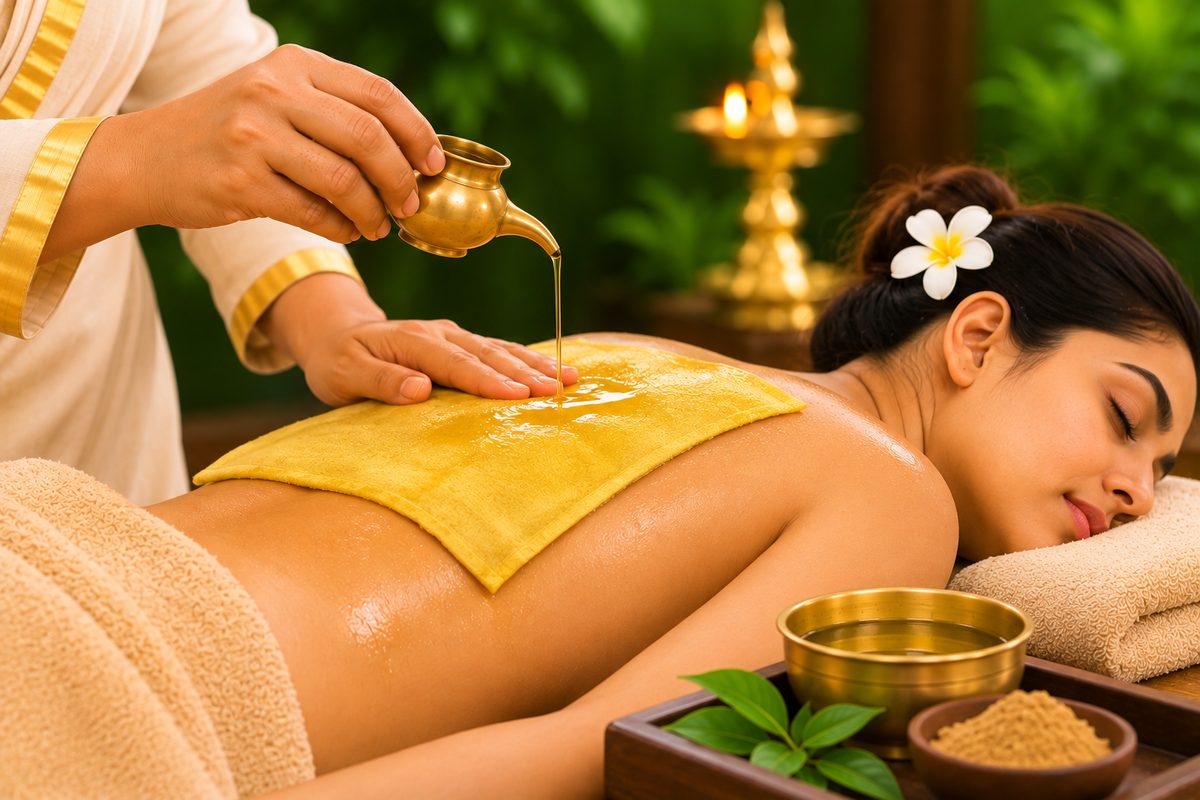
Pichu is a traditional Ayurvedic therapy that involves placing a cotton or cloth pad soaked in warm medicated oil over a selected area of the body. The pad is kept in contact with the area for a prescribed period, and the oil may be replenished as it cools.
At Vayra Ayurvedic Medical Center in Abu Dhabi, Pichu is offered as a practitioner-guided traditional therapy. The area of application and the type of medicated oil are selected after an individual consultation.
If you are looking for Pichu treatment in Abu Dhabi, this therapy offers a traditional approach to localised warm oil application. It may be considered for selected areas such as the head, neck, lower back or knee, depending on the practitioner's assessment.
The treatment is commonly associated with two variations: Shiro Pichu, which involves application over the head, and Kati Pichu, which focuses on the lower back.
What Is Pichu in Ayurveda?
Pichu is a traditional external Ayurvedic therapy in which a thick cotton pad or cloth is soaked in warm medicated oil and placed over a selected part of the body.
Unlike a conventional massage, Pichu keeps warm oil in contact with one particular area for a set period. As the oil cools, the practitioner may replenish it to maintain an appropriate temperature.
The treatment area can vary according to individual requirements. Common application areas include:
- Head and scalp.
- Neck and shoulder region.
- Lower back.
- Selected joints, such as the knee.
The oil preparation, temperature and duration are determined by the practitioner. The therapy is not a standardised treatment for every person, and individual suitability should be assessed before application.
Types of Pichu Treatment
Pichu can be applied to different areas of the body. The names of the traditional variations often indicate the area being treated.
1. Shiro Pichu – Head Application
Shiro Pichu involves placing a warm medicated oil-soaked pad over the crown or selected area of the head.
It is a traditional Ayurvedic head therapy that may be considered as part of a practitioner-guided wellness routine. The oil and application duration are selected according to individual suitability.
2. Kati Pichu – Lower Back Application
Kati Pichu involves placing a warm oil-soaked pad over the lower back.
It is different from Kati Vasti because it uses a cotton or cloth pad rather than a dough ring that holds a pool of oil. The practitioner selects the oil and application method after assessing the individual's requirements.
3. Greeva or Neck Pichu
A Pichu pad may also be applied over the neck region when considered appropriate. The application is planned according to the individual's symptoms, skin condition and medical history.
Persistent neck pain, particularly when associated with numbness or weakness, requires medical assessment.
4. Joint Pichu
In traditional practice, a warm medicated oil pad may be placed over a selected joint. The practitioner decides whether this approach is suitable after considering the cause of discomfort and the condition of the area.
How Does Pichu Therapy Work?
Pichu uses a simple external application method. A cotton or cloth pad is soaked in a suitable warm medicated oil and placed over the selected area.
The pad maintains contact between the oil and the skin for a prescribed period. If the oil begins to cool, the practitioner may add or replace warm oil to maintain an appropriate temperature.
The treatment combines localised oil application with a resting period. Depending on the area, a light massage may follow the removal of the pad.
Pichu is a traditional Ayurvedic wellness practice. It should not be considered a proven cure for back pain, arthritis, nerve conditions, headaches or other medical problems.
Traditional Uses of Pichu Therapy
Pichu may be considered as a complementary traditional therapy for selected areas of the body. Its application depends on the practitioner's assessment and the individual's needs.
1. Neck Stiffness
People experiencing neck stiffness may enquire about a localised warm oil application. The practitioner should first consider the cause of the discomfort and whether Pichu is appropriate.
Neck pain accompanied by numbness, weakness, severe headache or pain following an injury should be medically assessed.
2. Lower Back Discomfort
Kati Pichu is traditionally used over the lower back. It may be discussed as a complementary wellness option after the cause of back discomfort has been assessed.
It is not a replacement for medical evaluation, physiotherapy or other appropriate care.
3. Selected Joint Discomfort
Pichu may be considered for localised application around selected joints. The practitioner determines whether warm oil application is appropriate for the condition and the skin in that area.
Hot, swollen or acutely injured joints should be assessed by a healthcare professional before any heat-based therapy.
4. Traditional Head Care
Shiro Pichu is a traditional application over the head. People interested in Ayurvedic head-care practices may discuss this option with a practitioner.
Persistent headaches, sudden severe headaches or headaches accompanied by visual changes, weakness or confusion require medical attention.
5. General Wellness
Some people include traditional oil-based therapies in their wellness routines. Pichu offers a localised application rather than a full-body massage.
Individual experiences differ, and the treatment should be selected according to personal suitability.
What Happens During a Pichu Session at Vayra?
A Pichu session at Vayra Ayurvedic Medical Center takes approximately 40 minutes. The exact process and duration depend on the area selected and individual requirements.
Step 1: Initial Consultation
The practitioner discusses your concerns and identifies the area where Pichu may be considered. Relevant medical history, skin sensitivity, wounds, fever and current treatment should be discussed.
Step 2: Oil Selection
A suitable medicated oil is selected according to the treatment area and practitioner assessment. Inform the practitioner about known allergies or previous reactions to oils and herbal products.
Step 3: Preparation of the Compress
A cotton or cloth pad is soaked in the selected warm medicated oil. The practitioner checks the temperature before placing it on the skin.
Step 4: Application
The warm oil-soaked pad is placed over the selected area, such as the head, neck, lower back or knee. It is kept in position for the prescribed period.
Step 5: Maintaining the Oil Temperature
As the oil cools, it may be replenished or replaced with appropriately warmed oil. The practitioner monitors the application to ensure that the temperature remains comfortable.
Step 6: Removal and Light Massage
The pad is removed after the prescribed period. The practitioner may gently massage the area, depending on the treatment plan.
Step 7: Aftercare Guidance
You may receive advice about rest, posture and keeping the treated area comfortably warm. Follow the practitioner's instructions and report any unexpected skin reaction.
How Long Does Pichu Treatment Take?
A Pichu session at Vayra Ayurvedic Medical Center takes approximately 40 minutes.
The total appointment may include consultation, oil selection, pad preparation, application and aftercare. The actual duration of oil application may vary depending on the selected area and practitioner guidance.
The frequency of sessions should be determined individually rather than following a fixed schedule.
Who May Consider Pichu Treatment?
Pichu may be considered by adults interested in traditional localised warm oil application, subject to an individual assessment.
It may be discussed with a qualified practitioner by people experiencing:
- Neck or shoulder stiffness.
- Lower back discomfort after appropriate assessment.
- Localised joint discomfort.
- Interest in traditional Ayurvedic head-care practices.
- A preference for localised oil application rather than full-body massage.
Pichu is not suitable for every condition. A practitioner should assess the cause of symptoms and determine whether the treatment is appropriate.
Who Should Avoid Pichu or Take Extra Care?
Because Pichu uses warm oil in direct contact with the skin, safety and temperature control are important.
Inform the practitioner if you have:
- Open wounds, cuts or burns.
- Skin infections or active inflammation.
- Known allergies to herbal oils or their ingredients.
- Reduced skin sensation or nerve-related conditions.
- Fever or an acute illness.
- Recent injury or surgery in the application area.
- A medical condition that affects skin sensitivity or temperature regulation.
Avoid applying warm oil over an area that is hot, red or significantly swollen until it has been medically assessed.
Seek medical care promptly for back or neck pain accompanied by new weakness, numbness, difficulty walking, or loss of bladder or bowel control. Do not delay medical assessment for severe or unexplained symptoms.
The oil should never be uncomfortably hot. Tell the practitioner immediately if you experience burning, pain, itching or irritation.
Pichu vs Vasti: What Is the Difference?
Pichu and Vasti are both traditional Ayurvedic external oil therapies, but their application methods are different.
Pichu Therapy
Pichu uses a cotton or cloth pad soaked in warm medicated oil. The pad is placed over the selected area, and the oil is refreshed as it cools.
Kati Vasti
Kati Vasti involves retaining warm medicated oil within a dough ring placed over the lower back.
Greeva Vasti
Greeva Vasti uses a dough boundary to retain warm medicated oil over the neck region.
Janu Vasti
Janu Vasti involves retaining warm medicated oil inside a dough ring over the knee.
The main difference is the method of application. Pichu uses an oil-soaked pad, while Vasti therapies use a dough ring to hold a pool of oil. The most appropriate option depends on the individual's needs and practitioner assessment.
Why Choose Vayra Ayurvedic Medical Center for Pichu in Abu Dhabi?
Vayra Ayurvedic Medical Center brings Kerala's traditional Ashta Vaidya heritage to Abu Dhabi. The centre offers a range of traditional Ayurvedic therapies with attention to individual needs and practitioner guidance.
When enquiring about Pichu at Vayra, you can expect:
- An initial consultation about your concerns.
- Selection of an appropriate treatment area.
- Medicated oil chosen according to individual requirements.
- Careful preparation and temperature checking.
- Practitioner-guided application and aftercare advice.
- Recommendations for related therapies when appropriate.
The treatment plan is based on individual suitability. The practitioner can explain the procedure, oil selection and precautions before the session.
Conditions Pichu May Be Considered For
Book Pichu Treatment in Abu Dhabi
Explore traditional Ayurvedic warm oil compress therapy at Vayra Ayurvedic Medical Center, located on Khalifa Street in Abu Dhabi.
Contact the centre to enquire about Pichu appointments, the available treatment options and whether Shiro Pichu or Kati Pichu may be appropriate for your requirements.
Book Your AppointmentFrequently Asked Questions About Pichu Treatment
What is Pichu treatment in Ayurveda?
Pichu is a traditional Ayurvedic therapy in which a cotton or cloth pad soaked in warm medicated oil is placed over a selected area of the body for a prescribed period.
Where is Pichu applied?
Pichu may be applied over the head, neck, lower back or a selected joint, depending on the practitioner's assessment.
What is Shiro Pichu?
Shiro Pichu is the traditional application of a warm medicated oil-soaked pad over the head or scalp.
What is Kati Pichu?
Kati Pichu is the application of an oil-soaked cotton or cloth pad over the lower back. It differs from Kati Vasti, which uses a dough ring to retain a pool of oil.
How long does a Pichu session take?
A Pichu session at Vayra Ayurvedic Medical Center takes approximately 40 minutes. The duration may vary depending on the selected area and individual requirements.
What oil is used in Pichu?
The practitioner selects a suitable medicated oil according to the area being treated and individual requirements. The ingredients should be discussed before the session, especially if you have allergies.
Is Pichu different from Abhyangam?
Yes. Abhyangam is a traditional Ayurvedic oil massage, while Pichu involves placing an oil-soaked pad over a selected area and maintaining contact for a prescribed period.
Is Pichu suitable for back pain?
Kati Pichu is traditionally applied over the lower back. However, back pain can have several causes. A medical assessment is important before considering it as complementary care.
Can Pichu be combined with other Ayurvedic therapies?
A practitioner may consider combining Pichu with another therapy when appropriate. The decision depends on the individual's health, requirements and suitability.
Where can I get Pichu treatment in Abu Dhabi?
You can enquire at Vayra Ayurvedic Medical Center, Green Tower Building, B Block, 4th Floor, Khalifa Street, opposite NBD Bank, Abu Dhabi.
Individual experiences and outcomes vary. Ayurvedic therapies are offered as traditional wellness practices and may be considered alongside appropriate medical care.