Ayurvedic Treatment for Migraine & Headaches in Abu Dhabi
Nasyam, Shirodhara and head massage, with guidance on routine and triggers.
Book Your Consultation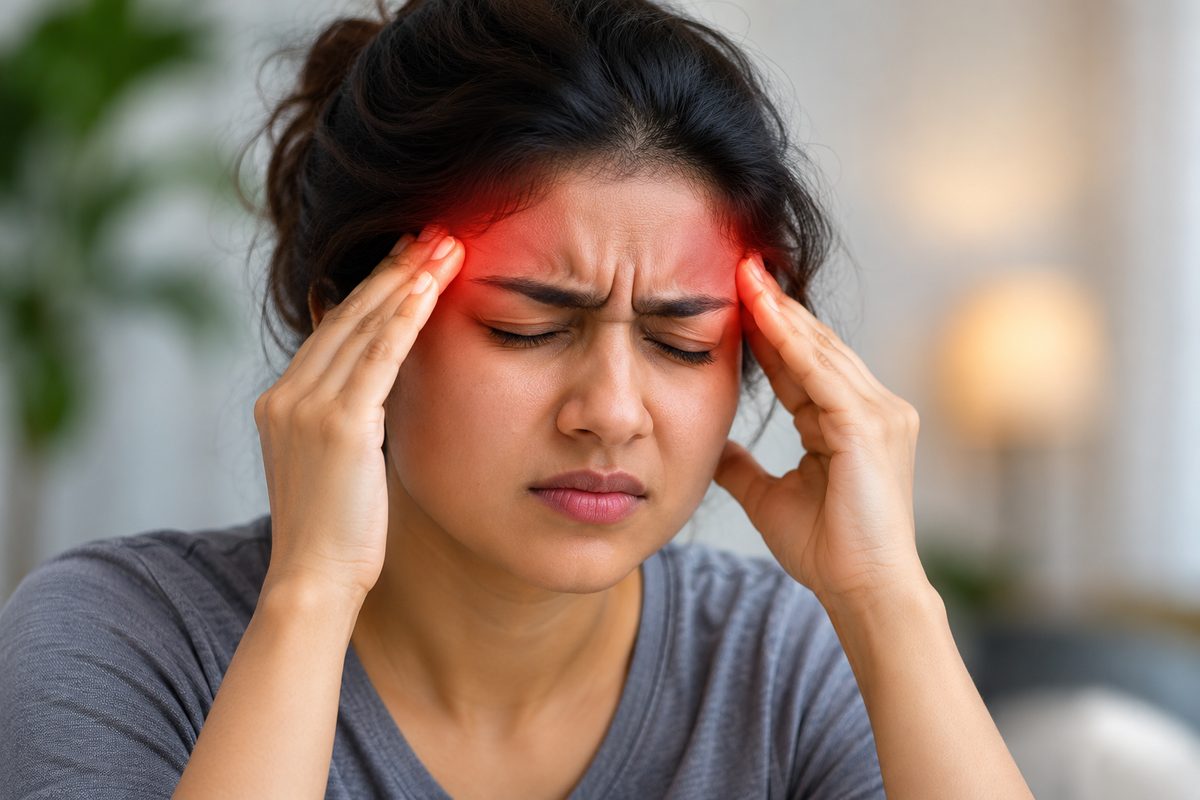
Are you experiencing recurring headaches, throbbing head pain, sensitivity to light or difficulty concentrating because of frequent headaches? Migraine and other headache conditions can affect your work, sleep, daily activities and overall quality of life.
At Vayra Ayurvedic Medical Center in Abu Dhabi, we offer traditional Ayurvedic wellness therapies for individuals experiencing headache-related concerns. Depending on individual assessment, options may include Nasyam, Shirodhara, Shiro Abhyanga and Greeva Vasti, together with general guidance on daily routines and possible lifestyle triggers.
If you are searching for migraine treatment in Abu Dhabi, our practitioners can explain the available traditional therapies and whether they may be suitable as complementary wellness care alongside appropriate medical treatment.
Migraine is a neurological condition, not simply an ordinary headache. Correct diagnosis is important, particularly when headaches are severe, recurring or changing in pattern. Ayurvedic therapies are traditional wellness practices and should not replace neurological assessment, prescribed migraine medication or evidence-based headache management.
What Is Migraine?
Migraine is a neurological condition characterised by recurring attacks of headache and other symptoms. The pain is often throbbing or pulsating and may affect one side of the head, although it can occur on both sides.
A migraine attack may last from several hours to a few days. Some people experience nausea, vomiting, sensitivity to light or sensitivity to sound during an episode.
Migraine affects people differently. Some individuals experience warning symptoms before the headache begins, while others experience headache pain without an obvious warning.
Common migraine types include:
Migraine Without Aura
This is a common form of migraine. It involves recurring headache attacks that may be accompanied by nausea, sensitivity to light or sound, and difficulty carrying out normal activities.
Migraine With Aura
Some people experience temporary neurological symptoms before or during a migraine attack. These may include visual changes, flashing lights, blind spots, tingling or difficulty speaking.
New or unusual neurological symptoms should be medically assessed rather than automatically assumed to be migraine aura.
Chronic Migraine
Chronic migraine generally refers to headaches occurring on 15 or more days per month for more than three months, with migraine features on at least eight days per month.
Frequent headaches require medical assessment to confirm the diagnosis and review medication use.
Menstrual Migraine
Some people experience migraine attacks around their menstrual period. Hormonal changes may be one of several factors associated with these attacks.
A headache diary can help identify patterns and support a discussion with a healthcare professional.
Common Symptoms of Migraine and Headaches
Migraine symptoms vary from person to person. They may include:
- Throbbing or pulsating head pain.
- Pain on one side or both sides of the head.
- Nausea or vomiting.
- Sensitivity to bright light.
- Sensitivity to loud sounds.
- Sensitivity to certain smells.
- Blurred vision or visual disturbances.
- Difficulty concentrating.
- Neck discomfort or stiffness.
- Tiredness before or after an attack.
- Difficulty performing everyday activities.
Not every headache is a migraine. Tension-type headaches, cluster headaches, sinus-related conditions and other medical problems can cause head pain.
A healthcare professional can assess your symptoms and determine the likely cause.
What Causes Migraine and Frequent Headaches?
The exact causes of migraine are complex and involve changes in neurological pathways and pain signalling. Genetic factors may also contribute.
Several factors can trigger or worsen attacks in some people.
1. Stress and Emotional Pressure
Stress is a commonly reported migraine trigger. Work pressure, lack of relaxation, emotional strain and changes in daily routine may contribute to attacks in susceptible individuals.
2. Sleep Disturbances
Irregular sleep schedules, insufficient sleep and changes in sleeping patterns may be associated with migraine attacks.
Maintaining consistent sleep and wake-up times may help some people manage their personal triggers.
3. Hormonal Changes
Hormonal fluctuations, including those associated with menstruation, may influence migraine patterns in some individuals.
4. Food and Drink Triggers
Certain foods, skipped meals, dehydration and alcohol may be associated with migraine attacks in some people. Triggers differ between individuals, so unnecessary restrictive diets are not recommended without appropriate guidance.
5. Bright Lights and Strong Smells
Bright lighting, screen glare, loud sounds and strong odours may trigger or worsen symptoms for some people.
6. Physical and Postural Factors
Neck discomfort, muscle tension and prolonged periods in one posture may accompany headaches. However, neck pain does not automatically mean that a headache is caused by muscular tension.
7. Medication Overuse
Frequent use of some headache medicines can contribute to medication-overuse headache. If you regularly need pain relief, speak with your doctor about a suitable treatment and prevention plan.
Different Types of Headaches
Understanding the type of headache is important because treatment differs according to the underlying cause.
Migraine Headache
Migraine often involves moderate to severe throbbing pain, nausea and sensitivity to light or sound. It may interfere significantly with normal activities.
Tension-Type Headache
Tension-type headaches commonly involve pressure or a tightening sensation around the head. Pain is often on both sides and may be associated with neck or shoulder discomfort.
Cluster Headache
Cluster headaches involve severe attacks, often around one eye or one side of the head. They may occur in repeated bouts and can be accompanied by eye watering, redness or nasal symptoms.
Sinus-Related Headache
Some sinus conditions can cause facial pressure and pain around the forehead, cheeks or eyes. Not every headache with facial pressure is caused by sinusitis, so assessment is important.
Cervicogenic Headache
A cervicogenic headache originates from a problem involving structures in the neck. It may be associated with restricted neck movement and pain that travels from the neck towards the head.
These conditions can overlap in their symptoms. A medical professional should determine the diagnosis before selecting a treatment approach.
Ayurvedic Approach to Migraine and Headache Wellness
Traditional Ayurveda considers headache-related concerns through a broader approach that may include individual constitution, daily routine, diet, stress and lifestyle.
Ayurvedic practice may consider traditional therapies involving the head, neck and nasal region. The selection depends on individual requirements and practitioner assessment.
At Vayra Ayurvedic Medical Center, a consultation may consider:
- Your headache history and frequency.
- Previous medical diagnosis.
- Symptoms such as nausea and light sensitivity.
- Sleep patterns and daily routine.
- Stress and possible lifestyle triggers.
- Existing medication and medical conditions.
- Whether a traditional therapy is appropriate.
The goal is to discuss suitable traditional wellness options without replacing medical headache management. There is no guarantee that these therapies will reduce migraine frequency, prevent attacks or cure an underlying neurological condition.
Ayurvedic Therapies for Migraine and Headaches at Vayra
Depending on individual assessment, the following traditional therapies may be discussed.
1. Nasyam Treatment
Nasyam is a traditional Ayurvedic procedure involving the administration of selected medicated oil or herbal preparations through the nostrils.
The procedure may include a preparatory face and head massage followed by gentle steam, depending on the method used.
Nasyam is traditionally included in certain Ayurvedic head and wellness routines. Its suitability depends on the individual's health, nasal condition and medical history.
People with active nasal infections, recent nasal procedures or other relevant medical concerns should discuss these with the practitioner and their doctor before considering the procedure.
Explore Nasyam Treatment in Abu Dhabi.
2. Shirodhara Treatment
Shirodhara is a traditional Ayurvedic therapy in which a controlled stream of selected liquid, commonly warm medicated oil, is directed over the forehead.
The procedure is traditionally associated with relaxation and may be considered by people interested in Ayurvedic wellness practices.
The preparation, temperature and application method are selected according to individual suitability.
Shirodhara is not a proven treatment for migraine attacks or a substitute for prescribed migraine medication.
Explore Shirodhara Treatment in Abu Dhabi.
3. Shiro Abhyanga – Ayurvedic Head Massage
Shiro Abhyanga is a traditional Ayurvedic head massage involving the scalp and, depending on the session, the neck and shoulders.
It uses suitable oil and massage techniques selected according to individual requirements.
Some people may consider this therapy as part of a general relaxation routine. However, massage should be avoided or modified when it may aggravate pain, injury or another medical condition.
Explore Shiro Abhyanga Treatment in Abu Dhabi.
4. Greeva Vasti for Neck Discomfort
Greeva Vasti is a traditional Ayurvedic procedure in which warm medicated oil is retained over the back of the neck within a dough ring.
It is a localised oil-retention therapy that may be discussed when neck discomfort is also present, subject to assessment.
Greeva Vasti does not treat every type of headache. It should not delay medical assessment of new, severe or unexplained headaches.
Explore Greeva Vasti Treatment in Abu Dhabi.
How Is Your Ayurvedic Care Planned at Vayra?
The approach at Vayra is based on individual consultation and practitioner guidance.
Step 1: Initial Consultation
The practitioner discusses your symptoms, medical history, previous headache diagnosis, treatment goals and current medication.
It is helpful to bring relevant medical reports and details of any prescribed migraine treatment.
Step 2: Individual Assessment
Your symptoms, general health, comfort and existing medical conditions are considered. The practitioner may recommend that you obtain medical assessment before beginning a traditional therapy.
Step 3: Treatment Selection
Depending on suitability, the practitioner may discuss Nasyam, Shirodhara, Shiro Abhyanga or Greeva Vasti.
Not every therapy is appropriate for every person. The procedure and preparation are selected according to individual requirements.
Step 4: Traditional Therapy
The selected procedure is performed using the appropriate traditional technique and preparation. Comfort and response are monitored during the session.
Step 5: Post-Treatment Guidance
You may receive general guidance regarding daily routines, relaxation habits and follow-up. Continue your prescribed migraine treatment unless your treating doctor advises otherwise.
Treatment duration, frequency and suitability depend on the individual plan.
Lifestyle Tips for Managing Migraine Triggers
Lifestyle changes may help some people identify and manage personal migraine triggers. They do not replace medical treatment.
Maintain a Regular Sleep Schedule
Try to sleep and wake at consistent times. Large changes in sleep patterns may be associated with migraine attacks.
Stay Hydrated
Drink enough water throughout the day. Dehydration may trigger headaches in some people.
Avoid Skipping Meals
Maintain regular meal times and observe whether missed meals are associated with your symptoms.
Monitor Caffeine Intake
Excessive caffeine or sudden changes in caffeine consumption may affect headaches. Discuss a suitable approach with your healthcare professional.
Manage Screen Exposure
Take regular breaks when using digital devices for long periods. Adjust screen brightness and reduce glare where possible.
Identify Personal Triggers
Maintain a headache diary to record the date, duration, symptoms, sleep, meals, medication and possible triggers associated with each episode.
Follow a Suitable Physical Activity Routine
Regular physical activity may support general health. Choose activities appropriate to your health and avoid exercise that consistently worsens symptoms without seeking medical advice.
When Should You Seek Medical Attention for a Headache?
Headaches can sometimes indicate a serious medical condition. Do not rely on a traditional therapy or home remedy when warning signs are present.
Seek emergency medical care if you experience:
- A sudden, extremely severe headache that reaches maximum intensity quickly.
- A headache with weakness, numbness or difficulty speaking.
- New confusion, fainting or reduced consciousness.
- Sudden vision loss or significant new visual disturbance.
- A severe headache with fever or a stiff neck.
- A headache following a significant head injury.
- A new severe headache during pregnancy or after childbirth.
Arrange prompt medical assessment if headaches are becoming more frequent, more severe or different from your usual pattern.
People with new headaches after age 50, cancer, immune suppression or other significant medical conditions may require additional evaluation.
Can Ayurveda Cure Migraine?
There is currently insufficient reliable clinical evidence to claim that traditional Ayurvedic therapies cure migraine or prevent migraine attacks.
Migraine is a neurological condition that may require acute medication, preventive treatment, lifestyle management and follow-up with a qualified healthcare professional.
Traditional therapies such as Nasyam, Shirodhara and Shiro Abhyanga may be considered by some people as complementary wellness practices, depending on individual suitability. They should not replace evidence-based migraine management.
Do not stop prescribed medication or delay a medical consultation because of an Ayurvedic treatment.
Why Choose Vayra Ayurvedic Medical Center in Abu Dhabi?
Vayra Ayurvedic Medical Center brings Kerala's traditional Ashta Vaidya heritage to Abu Dhabi. The centre offers a range of traditional Ayurvedic therapies with attention to individual requirements and practitioner guidance.
When enquiring about traditional headache and migraine wellness at Vayra, you can expect:
- An individual discussion about your headache history.
- Consideration of existing medical diagnoses and medication.
- Explanation of available traditional therapies.
- Discussion of treatment suitability and precautions.
- Practitioner-guided procedures.
- General wellness and follow-up guidance.
The recommended approach depends on your health and individual requirements. The centre does not promise a guaranteed cure or a fixed timeline for migraine improvement.
Therapies and Packages for Migraine & Headaches
Book an Ayurvedic Head and Wellness Consultation in Abu Dhabi
If you experience recurring headaches and are interested in traditional Ayurvedic wellness therapies, contact Vayra Ayurvedic Medical Center to discuss available options.
Speak with the team to learn about Nasyam, Shirodhara, Shiro Abhyanga and Greeva Vasti, and whether a traditional wellness session may be suitable for you.
Book Your AppointmentFrequently Asked Questions About Migraine and Headaches
What is the best treatment for migraine in Abu Dhabi?
Migraine treatment depends on the diagnosis, frequency and severity of attacks. Medical treatment may include medicines for acute attacks and preventive options. Traditional Ayurvedic therapies may be considered as complementary wellness practices, but they are not a substitute for medical migraine care.
Can Ayurveda cure migraine permanently?
There is no reliable evidence that Ayurvedic therapies permanently cure migraine. Migraine management may require medical treatment, trigger management and ongoing follow-up.
Which Ayurvedic therapies are traditionally used for headaches?
Traditional options may include Nasyam, Shirodhara, Shiro Abhyanga and selected therapies for neck discomfort, depending on individual suitability.
Can Shirodhara help with migraine?
Shirodhara is a traditional relaxation-focused Ayurvedic therapy. It has not been established as a treatment that prevents or cures migraine attacks. Consult your healthcare professional before considering it.
What is the difference between migraine and a normal headache?
Migraine is a neurological condition that may cause throbbing pain, nausea and sensitivity to light or sound. Tension-type headaches often involve a pressure-like sensation around the head. A clinician can help distinguish between headache types.
Can stress trigger migraine?
Stress is a commonly reported migraine trigger. Sleep changes, hormonal fluctuations, skipped meals and other factors may also contribute. Triggers differ from person to person.
Why do I experience frequent headaches?
Frequent headaches can have several causes, including migraine, tension-type headache, medication overuse, sleep problems and other medical conditions. A healthcare professional should assess recurring headaches to identify the cause.
Can neck stiffness be related to headaches?
Neck discomfort may occur alongside migraine or tension-type headaches. In some cases, headaches may originate from structures in the neck. The cause should be assessed before selecting a therapy.
Should I stop migraine medication before Ayurvedic treatment?
No. Do not stop or change prescribed medication without advice from your treating doctor. Inform the practitioner about all medicines and supplements you use.
Where can I enquire about Ayurvedic headache care in Abu Dhabi?
You can enquire at Vayra Ayurvedic Medical Center, Green Tower Building, B Block, 4th Floor, Khalifa Street, opposite NBD Bank, Abu Dhabi, UAE.
Individual experiences and outcomes vary. Ayurvedic therapies are offered as traditional wellness practices and may be considered alongside appropriate medical care.